

Only accepted work is recordedAboutGuidesContactSign in
CitePepCitePep

Pages on Record · Page 25

1693Pages on record
7Publications
8Verified contributors
1753Corrections

Every page with a public CitePep trust record: what was checked, what was corrected, and who did the work. CitePep is operating with its founding publications while onboarding independent publishers and contributors.

I vs Me vs Myself: Grammar Guide
I vs Me vs Myself: Grammar Guide Evolang Master I vs me vs myself with the drop-the-other-person test, compound subjects, prepositional phrases, reflexive pronouns, and 20+ examples. SUSelen Ikbal Uslu
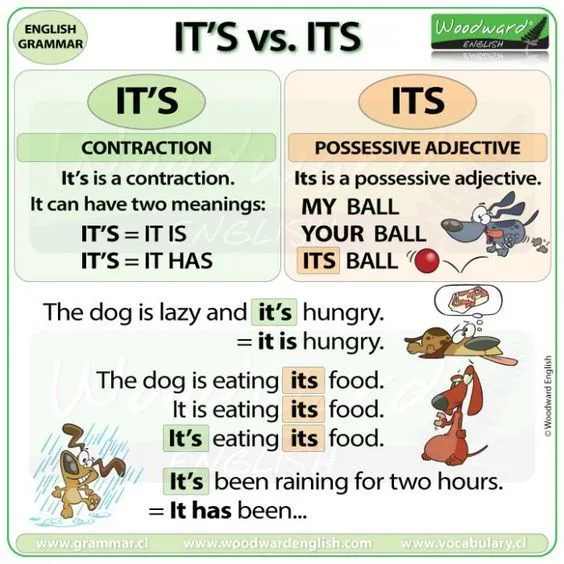
Its vs It's vs Its': When to Use Each
Its vs It's vs Its': When to Use Each Evolang Clear guide to its vs it's with substitution test, comparison tables, edge cases, and practice sentences for professional and academic writing. SUSelen Ikbal Uslu
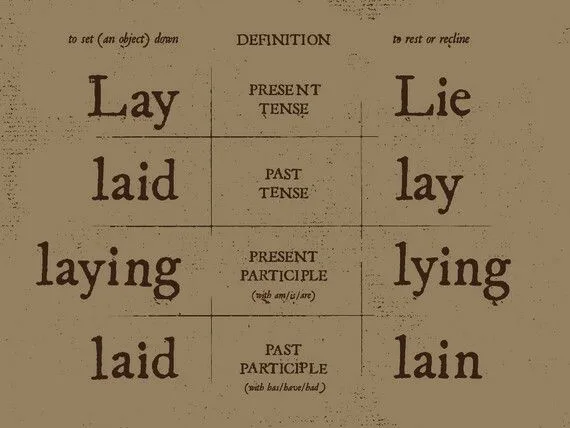
Lay vs Lie: Usage Guide with Examples
Lay vs Lie: Usage Guide with Examples Evolang Master lay vs lie with clear rules, present and past tense tables, 20+ example sentences, and a quick memory trick that eliminates the confusion for good. SUSelen Ikbal Uslu
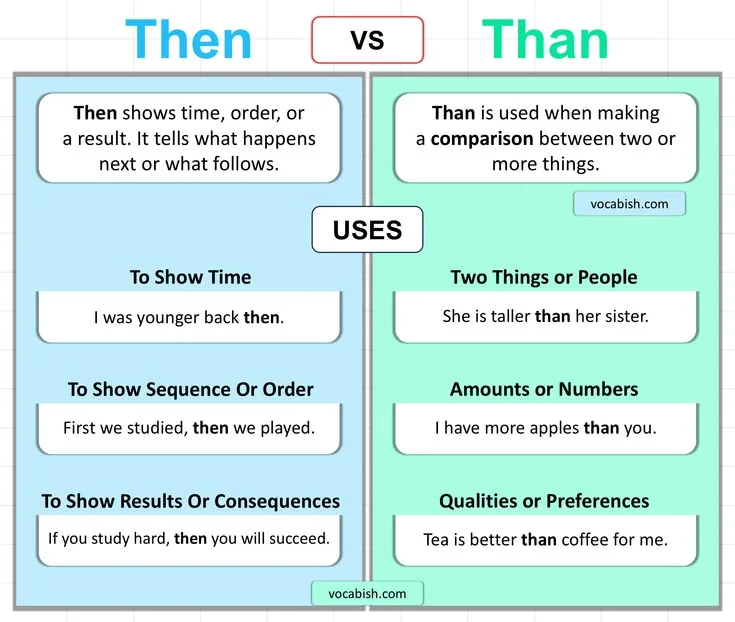
Than vs Then: Usage Difference Guide
Than vs Then: Usage Difference Guide Evolang Clear guide to than vs then with comparison vs sequence rule, 20+ examples, a mnemonic that sticks, and a self-check exercise for writers of every level. SUSelen Ikbal Uslu

Guide to Writing College Recommendation Letters
Guide to Writing College Recommendation Letters Evolang Comprehensive guide for mentors on writing impactful college recommendation letters. SUSelen Ikbal Uslu
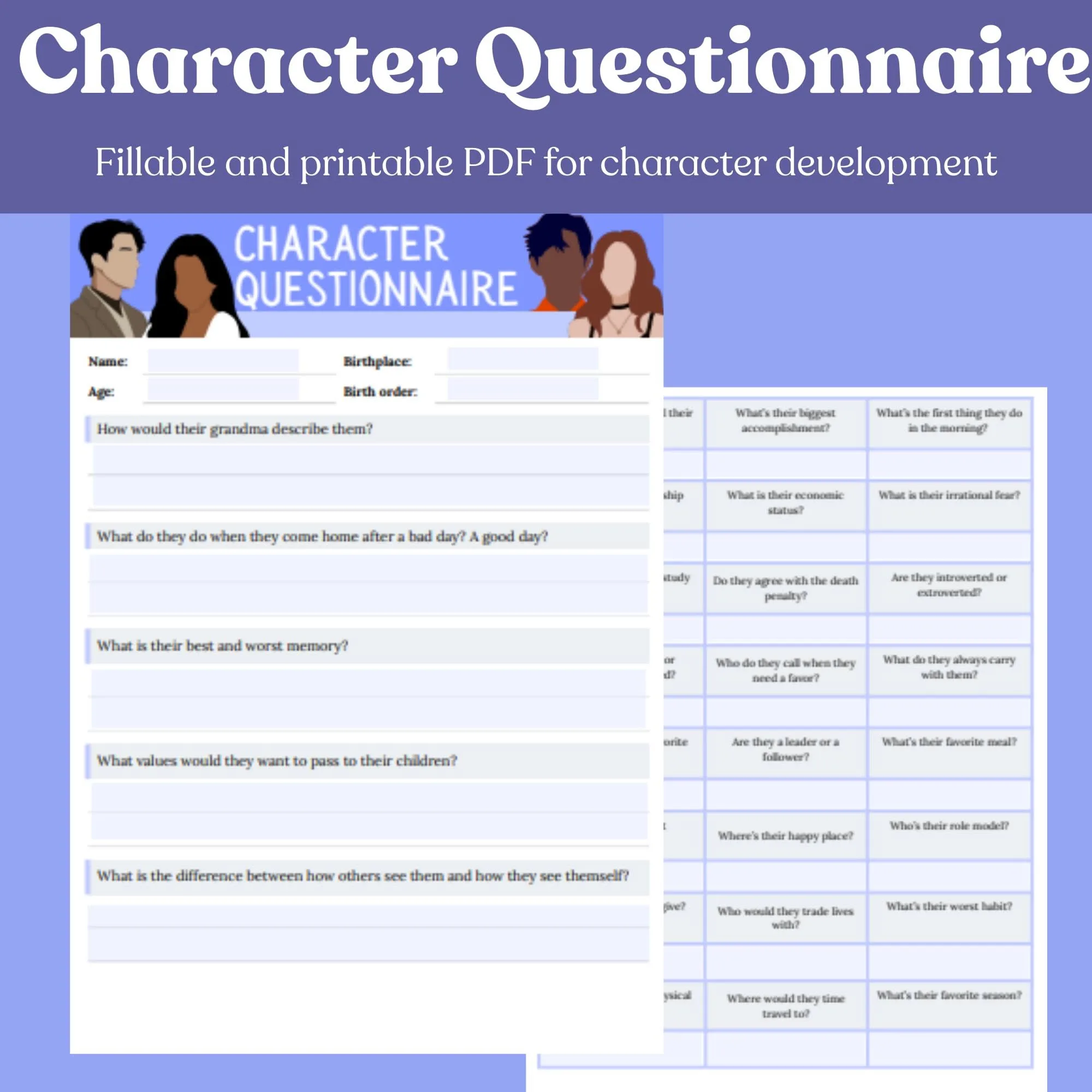
Character Reference Letter for Court Template
Character Reference Letter for Court Template Evolang Character reference letter templates for court with five-part framework, sentencing and probation formats, and language that works in legal contexts. SUSelen Ikbal Uslu

How to Write a Formal Request Letter: Examples
How to Write a Formal Request Letter: Examples Evolang Formal request letter templates for records, accommodations, and institutional requests with five-part framework, delivery guidance, and escalation patterns. SUSelen Ikbal Uslu
How to Write a Company Announcement Email
How to Write a Company Announcement Email Evolang Company announcement email templates for positive, neutral, and difficult news with five-part framework, tone calibration, and rollout sequence guidance. SUSelen Ikbal Uslu
How to Write a Customer Case Study Template
How to Write a Customer Case Study Template Evolang Customer case study templates with five-part framework, interview process, quote-gathering techniques, and distribution guidance for B2B marketing teams. SUSelen Ikbal Uslu
How to Write Release Notes That Users Actually Read
How to Write Release Notes That Users Actually Read Evolang Release note templates for product, API, and developer updates with four-part framework, category discipline, and breaking-change communication patterns. SUSelen Ikbal Uslu

Put your pages on the record →

How a page gets here

Four checks before anything is recorded

A page appears here only after all four have passed. Nothing is listed on a publisher’s say-so alone.

1The site is verifiedThe publisher proved they control the domain with a meta tag or file.Once per site
2The contributor is verifiedTheir identity and expertise were confirmed before their work could count.Once per person
3The work cites a sourceEvery correction or source addition names the evidence behind it.Every contribution
4The publisher accepted itA person at the publisher read it and approved it. Only then is it recorded.Every contribution

Questions about page records

The short answer first, then the detail.
Does “verified” mean the page is correct?It means the work on it was checked

A verified record shows that named experts reviewed or corrected the page and the publisher accepted their work. It is strong evidence of care, but read the dates: a page reviewed two years ago may need a fresh look.

Why can’t I see declined corrections?They are kept private on purpose

A declined correction might be wrong, or might be right but not yet acted on. Publishing it would either spread an error or pressure publishers. Declined work is kept for integrity checks, not shown.

Can a record be edited or deleted?No, it only grows

Accepted entries can’t be changed or removed. If something turns out to be wrong, a new correction is added on top, so the full history stays visible.

I think a page is wrong. What can I do?Propose a correction, or report it

If you have the expertise, sign up and propose the exact fix with a source. If not, use “Report a problem” on the page record and the publisher is notified.

Something not covered?A named person replies within one working day.Ask a question →
Inside a page record

What you see when you open one

Status, every contributor and their role, and a timeline of each accepted change, the same record the publisher embeds on the page.

Put your pages on the record →
whennotesfly.com/active-listening-what-it-is-how-it-works-and-how-to-practise-it
Active Listening: What It Is, How It Works, and How to Practise ItVerified · 1 contributor
CorrectedEmir Baycan
ReviewedEmir Baycan
CorrectedEmir Baycan
05 Aug 2026CorrectedGlobal adoption 32% → 37% of teams
03 Aug 2026CorrectedAdded a supporting source
20 Mar 2026ReviewedAll 11 claims checked; no changes needed
3 Mar 2024CorrectedPage published