
Concepts pages on record
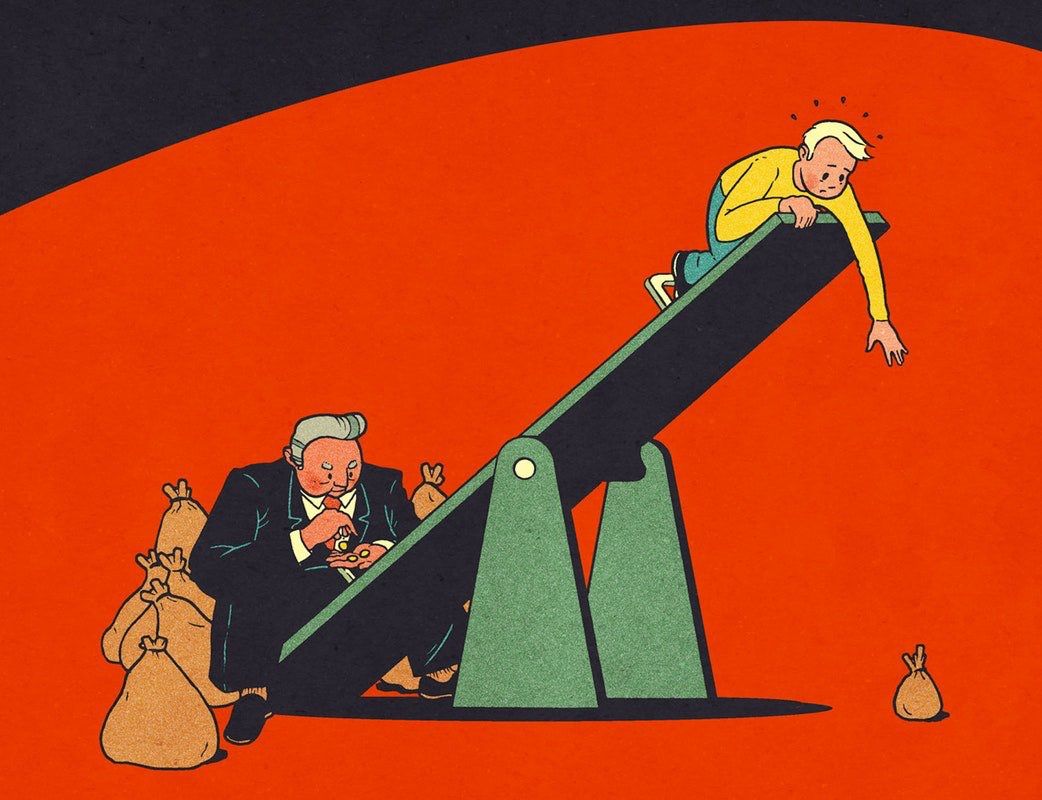
Minority Influence: How Small Groups Shift Majorities When Notes Fly Minority Influence research highlights how committed minorities can effectively alter majority attitudes for lasting change. EBEmir Baycan
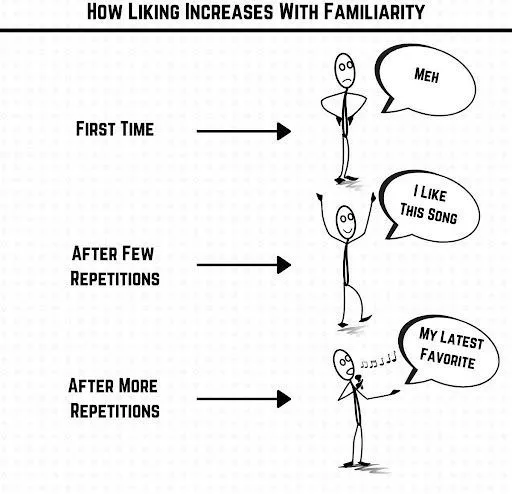
The Mere Exposure Effect: Why Familiarity Breeds Liking When Notes Fly The mere exposure effect explains why repeated exposure to a stimulus increases liking, from Zajonc's classic 1968 experiments to advertising and music. EBEmir Baycan
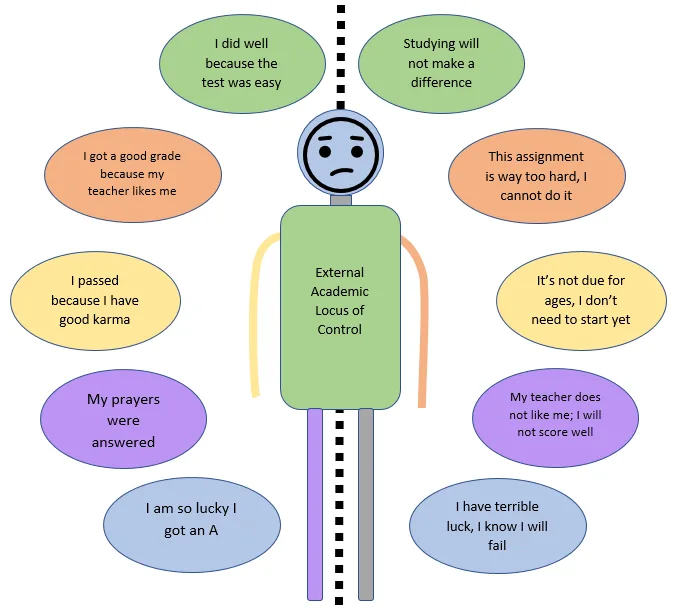
Locus of Control: Rotter's Framework on Who Controls Your Life When Notes Fly Locus of Control measures whether people believe outcomes are controlled by their own actions (internal) or by external forces like fate, luck, or... EBEmir Baycan
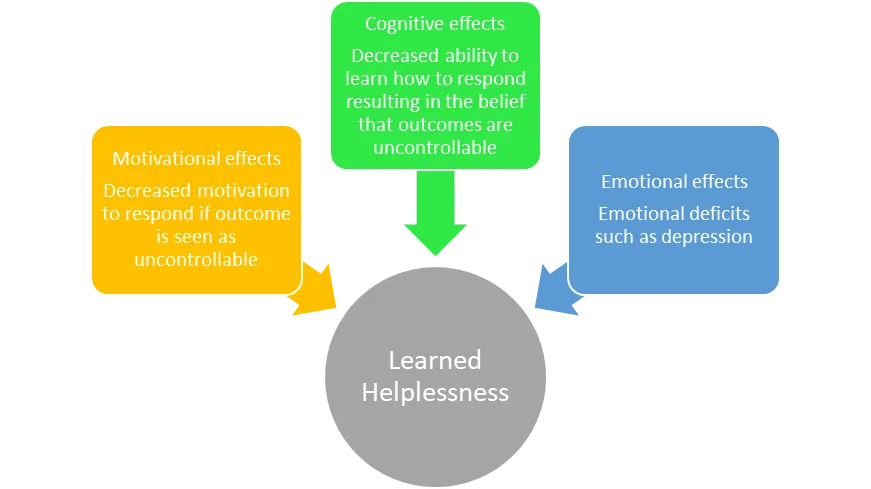
Learned Helplessness: Why People Stop Trying to Escape When Notes Fly Explore Martin Seligman's research on learned helplessness and why individuals may cease trying when faced with persistent failure. EBEmir Baycan
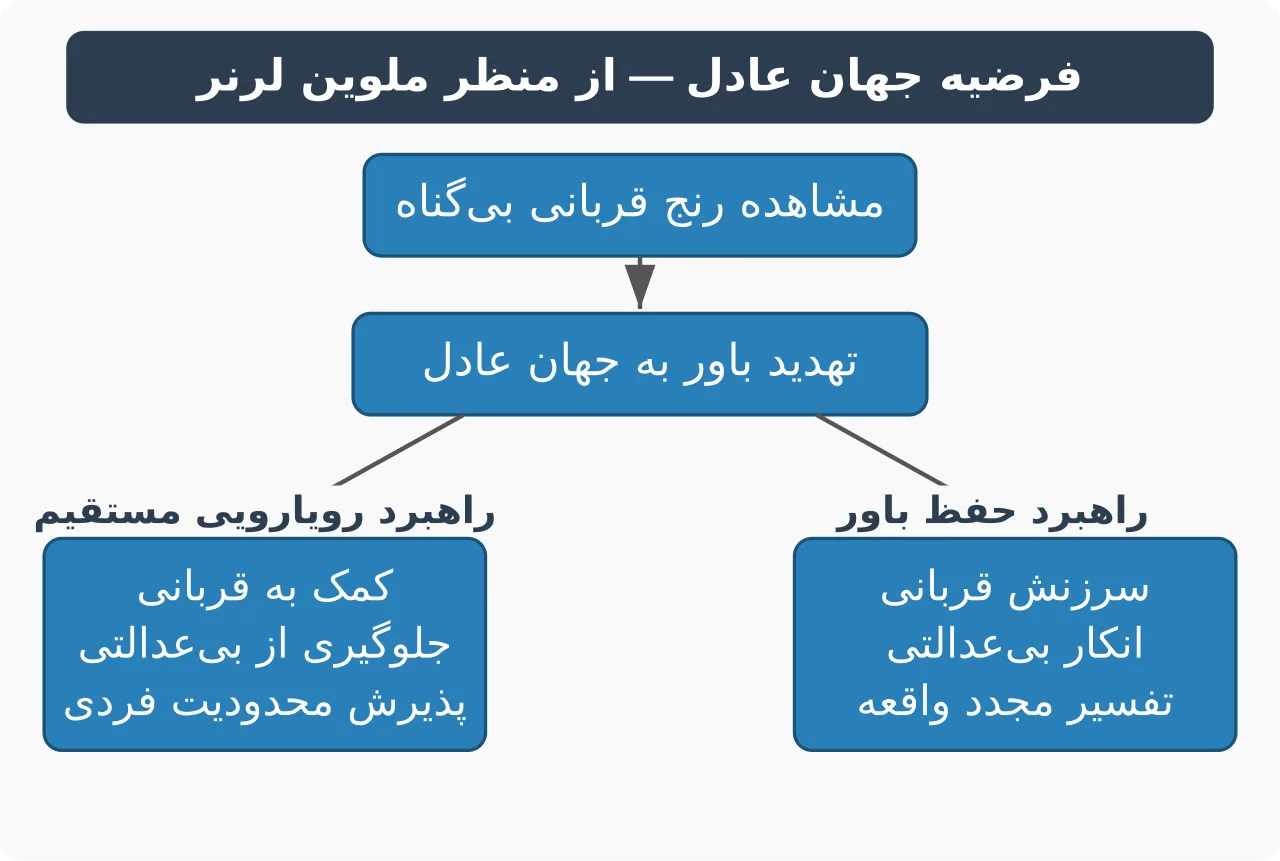
The Just-World Hypothesis: Understanding Victim Blame When Notes Fly Discover why individuals rationalize victimization through the lens of the Just-World Hypothesis and its psychological implications. EBEmir Baycan

Inversion: Thinking Backward to Solve Forward When Notes Fly Inversion is asking what guarantees failure instead of what guarantees success. Florence Nightingale cut mortality from 42% to 2% using it. EBEmir Baycan
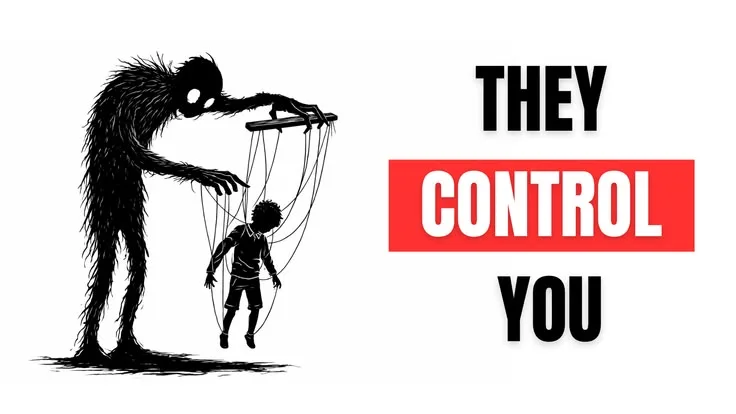
Intermittent Reinforcement: Unpredictable Rewards Explained When Notes Fly Explore intermittent reinforcement, why unpredictable rewards create strong habits, affecting areas like gambling and social media usage. EBEmir Baycan

Inflation Psychology: Behavior in Times of Price Increase When Notes Fly Explore how rising prices affect consumer behavior and trust in the economy. EBEmir Baycan
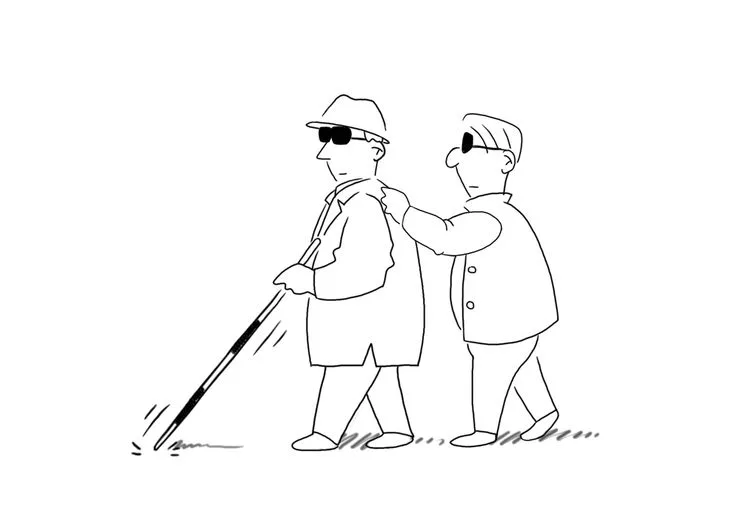
Inattentional Blindness: Missing What We Don't Notice When Notes Fly Learn about inattentional blindness through the classic 1999 study by Simons and Chabris that reveals how focus affects perception. EBEmir Baycan

Illusory Correlation: Patterns that Mislead Our Minds When Notes Fly Illusory correlation explained through Loren Chapman's 1967 study on how false pattern perception distorts psychological evaluations. EBEmir Baycan