
What Is the Butterfly Effect: Chaos Theory Explained
This is the CitePep accuracy record for “What Is the Butterfly Effect: Chaos Theory Explained”, published by When Notes Fly. It lists every change experts checked and accepted on that page.
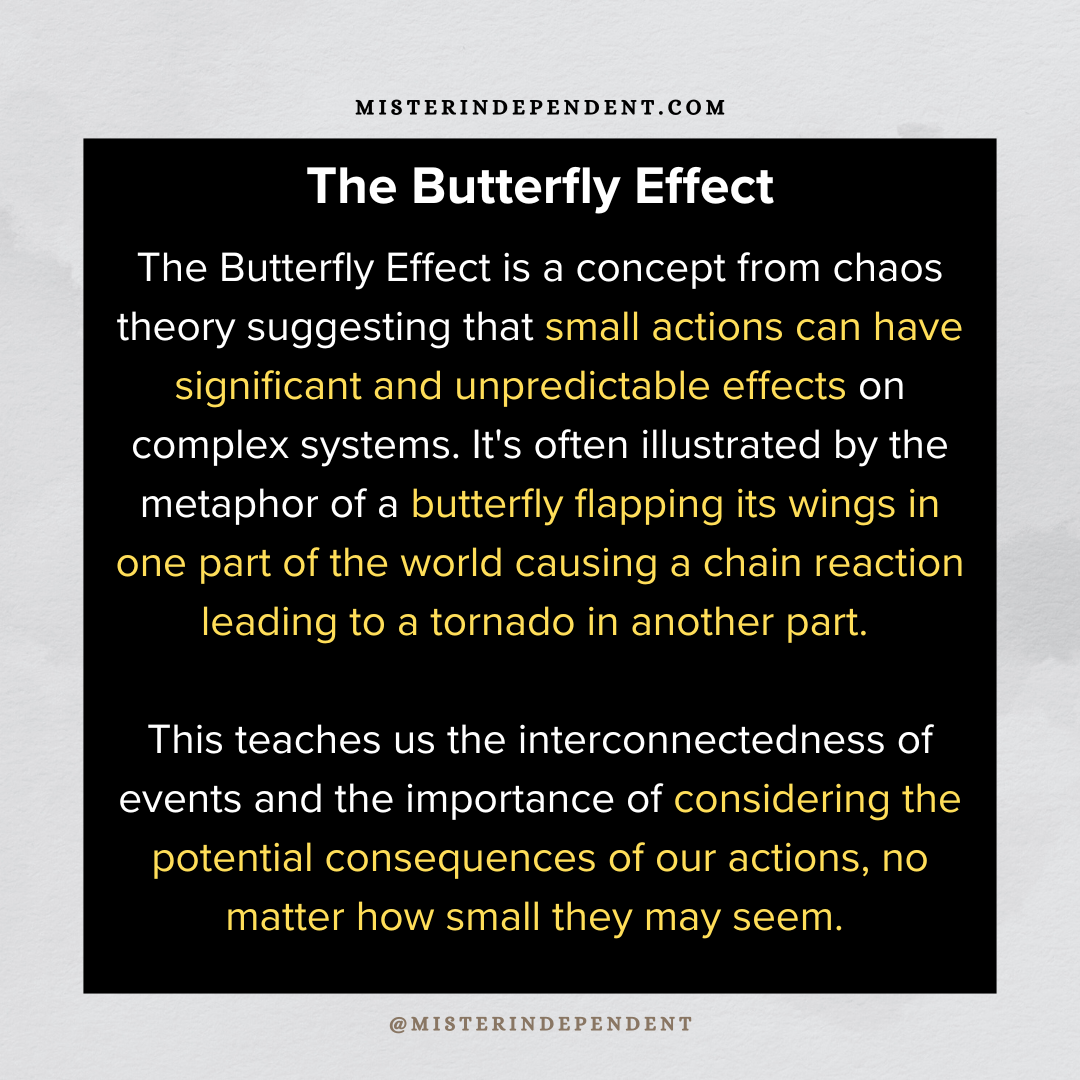
The butterfly effect describes how small changes in initial conditions can produce vastly different outcomes in complex systems.
What is this page about?
An explainer of the butterfly effect and chaos theory, opening with Edward Lorenz's 1961 discovery that rounding a weather-model input by less than a part in a thousand produced a completely different forecast.
It covers sensitive dependence on initial conditions, why small errors grow exponentially, the mathematics of chaos, strange attractors and the order within chaos, fractal geometry and Mandelbrot, where chaos theory applies (weather, ecology, finance, physiology, epidemiology), what the butterfly effect is not, and its legacy in complexity science.
What has been corrected on this page?
Every accepted correction to this page is recorded with the exact change, so readers can see how the page improved over time.
-
Anderson & May's foundational work was published in 1991, not 1992
BeforeRoy Anderson (1992) showed decades before COVID
AfterRoy Anderson (1991) showed decades before COVID
Why: Corrected the publication year; Anderson and May's foundational epidemic-chaos work was published in 1991, not 1992. Verified already live on the article; also confirmed no leftover instances in faq, excerpt, meta_description, or seo_keywords.
View the full record →
Who checked this page?
1 contributor has checked "What Is the Butterfly Effect: Chaos Theory Explained" on When Notes Fly. Each name below links to that person's public CitePep profile, where every contribution they have made is listed with the exact change they proposed.