
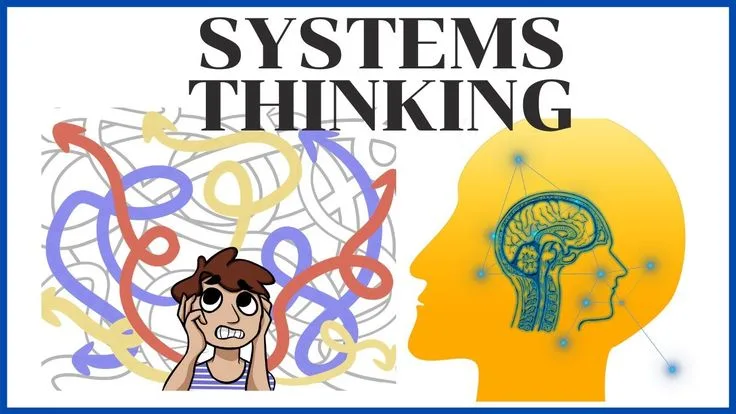
What Is Systems Thinking: How to See the Whole Picture
This is the CitePep accuracy record for “What Is Systems Thinking: How to See the Whole Picture”, published by When Notes Fly. It lists every change experts checked and accepted on that page.
Systems thinking is a way of understanding complex problems by examining relationships, feedback loops, and patterns rather than isolated causes.
What has been corrected on this page?
Every accepted correction to this page is recorded with the exact change, so readers can see how the page improved over time.
-
Qualified five overstated claims: softened 'the structure of a system produces its behavior' to 'strongly shapes its behavior, often more than individual intentions'; corrected 'unchecked reinforcing loops always grow to a limit or collapse to zero' to a tendency toward accelerating growth or decline until a limit, balancing process, or external change intervenes;
clarified that Meadows's twelve-leverage-points ordering is a conceptual heuristic rather than an empirically measured ranking; softened 'analyzing the parts in isolation tells you nothing about the emergent whole' to 'often reveals little';
and added multi-causal nuance to the aviation-safety claim (attributed in part to systemic thinking alongside better technology, training, and regulation).
What the page claimedThe article said system structure produces behavior, that reinforcing loops always grow to a limit or collapse to zero, that Meadows's leverage hierarchy is an empirical ranking, that component analysis tells nothing about the emergent whole, and that aviation safety improvement was caused by the systems shift.
What was correctedQualified each absolute or single-cause claim to what the underlying ideas support, and clarified the heuristic status of the leverage-point ordering.
Why: These were strong framings of genuine systems-thinking concepts. Corrections add the appropriate qualifications rather than adding new sources.
View the full record →
Who checked this page?
1 contributor has checked "What Is Systems Thinking: How to See the Whole Picture" on When Notes Fly. Each name below links to that person's public CitePep profile, where every contribution they have made is listed with the exact change they proposed.