
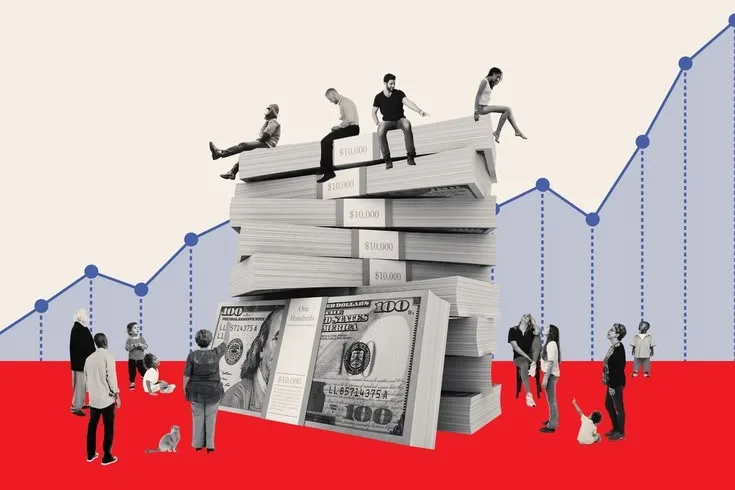
What Is Narrative Economics: How Stories Move Markets
This is the CitePep accuracy record for “What Is Narrative Economics: How Stories Move Markets”, published by When Notes Fly. It lists every change experts checked and accepted on that page.
Nobel laureate Robert Shiller argues that economic narratives spread like viruses and drive market booms and busts. Learn how stories shape economies.
What has been corrected on this page?
Every accepted correction to this page is recorded with the exact change, so readers can see how the page improved over time.
-
Corrected four mis-cited or unverifiable studies and softened two overstated causal claims: re-attributed the Bitcoin-sentiment finding to Catania, Grassi, and Ravazzolo's cryptocurrency-forecasting work (International Journal of Forecasting, 2019) rather than a Journal of Financial Econometrics study;
generalized an unverifiable Deutsche Bundesbank (Paule-Paludkiewicz 2022) four-week consumer-confidence prediction to the broader central-bank/academic literature; recast an unverifiable 2021 Hurst-Keys Journal of Economic Literature review as a common assessment among economists;
corrected the Shiller narrative-economics quantitative evidence to his own single-authored work (2017 AEA presidential address and NBER papers) rather than a 2020 Journal of Economic Perspectives co-authored paper; softened the mono-causal 'it was a narrative' claim about the Great Depression to acknowledge monetary, banking, and policy failures;
and reframed the GameStop episode as narrative dynamics combined with short-squeeze and options mechanics.
What the page claimedThe article cited a Catania-Grassi 2019 Journal of Financial Econometrics study, a Bundesbank Paule-Paludkiewicz 2022 four-week prediction, a Hurst-Keys 2021 JEL review, and a Shiller-and-colleagues 2020 JEP paper, and claimed narratives alone explained the Great Depression and GameStop.
What was correctedFixed the citations to the correct authors, journals, and study designs, and qualified the causal claims to acknowledge non-narrative factors.
Why: Several citations named the wrong journal, authorship, or a study that could not be verified, and two causal claims were mono-causal. Corrections fix the citations and scope the claims rather than adding new sources.
View the full record →
Who checked this page?
1 contributor has checked "What Is Narrative Economics: How Stories Move Markets" on When Notes Fly. Each name below links to that person's public CitePep profile, where every contribution they have made is listed with the exact change they proposed.