
Understanding Cognitive Load in Learning
This is the CitePep accuracy record for “Understanding Cognitive Load in Learning”, published by When Notes Fly. It lists every change experts checked and accepted on that page.
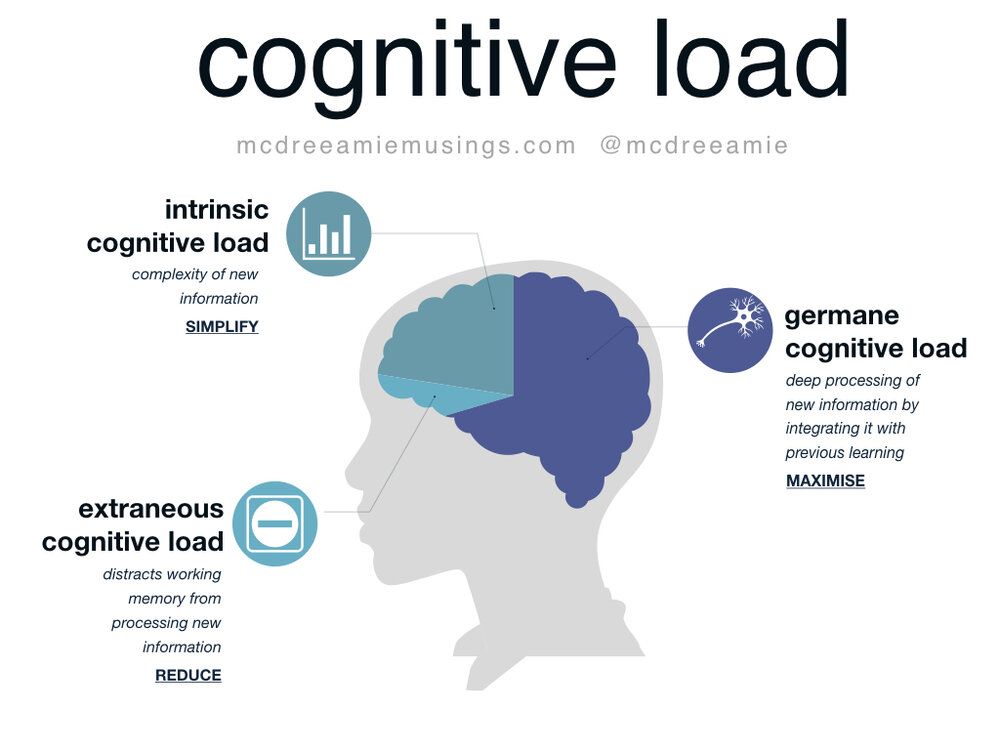
Cognitive load theory explains how working memory processes intrinsic, extraneous, and germane load.
What has been corrected on this page?
Every accepted correction to this page is recorded with the exact change, so readers can see how the page improved over time.
-
Corrected 2 citation errors: Brydges, Dubrowski, and Regehr's real University of Toronto research on procedural skills training was mischaracterized as a direct replication of Sweller's worked-example effect, when their actual research design centered on directed self-guided practice versus unstructured practice;
and an unverified 2019 'Review of Educational Research' Steenbergen-Hu and Cooper meta-analysis on adaptive learning, when their real papers are 2013 and 2014 Journal of Educational Psychology meta-analyses specifically on intelligent tutoring systems with mixed, not simply 'small but consistent,' findings.
What the page claimedArticle mischaracterized a real research team's actual methodology and cited an unverified composite study with wrong year, journal, scope, and finding.
What was correctedCorrected the Brydges citation to accurately describe their real self-guided-practice research design; replaced the unverified Steenbergen-Hu citation with the real 2013/2014 Journal of Educational Psychology papers and their actual mixed findings.
Why: The Sweller, Ayres, and Kalyuga 2011 meta-analysis citation and the MOOC/Learning at Scale 2014 citation in the same article verified as accurately described.
View the full record →
Who checked this page?
1 contributor has checked "Understanding Cognitive Load in Learning" on When Notes Fly. Each name below links to that person's public CitePep profile, where every contribution they have made is listed with the exact change they proposed.