
Cultural Dimensions Explained
This is the CitePep accuracy record for “Cultural Dimensions Explained”, published by When Notes Fly. It lists every change experts checked and accepted on that page.
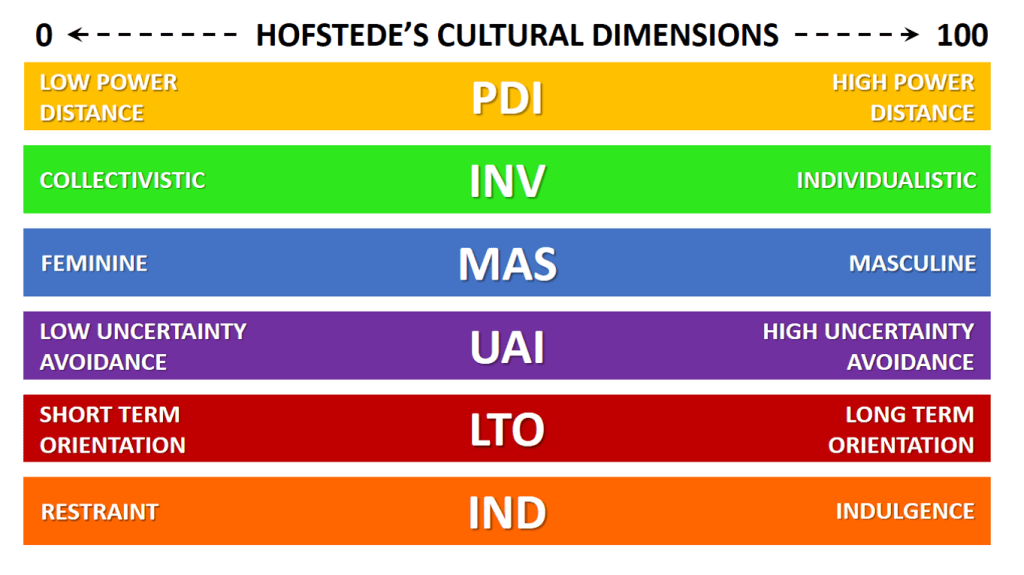
Power distance, individualism vs collectivism, masculinity vs femininity, uncertainty avoidance, and time orientation shape cultural differences.
What is this page about?
An explainer of Hofstede's cultural dimensions, the measurable axes on which national cultures systematically differ, developed from large-scale IBM survey research. It defines the six dimensions (power distance, uncertainty avoidance, individualism versus collectivism, masculinity versus femininity, long-term versus short-term orientation,
and indulgence versus restraint), explains how they are measured and scored, their applications in international business, marketing, education, and software design, practical do's and don'ts, and the theoretical, methodological, and ethical critiques, stressing they describe cultures not individuals.
What has been corrected on this page?
Every accepted correction to this page is recorded with the exact change, so readers can see how the page improved over time.
-
3 corrections applied: Slovakia (104) outscores Malaysia (100) on Power Distance; Malaysia is not the single highest. | Slovakia's Hofstede Power Distance is about 104 and is the highest, above Malaysia's 100. | Slovakia's Hofstede Masculinity score is about 110, not 100.
BeforeMalaysia: 100 (highest); Slovakia: 100; Slovakia: 100 (highest, most masculine)
AfterMalaysia: 100; Slovakia: 104 (highest); Slovakia: 110 (highest, most masculine)
Why: Slovakia (104) outscores Malaysia (100) on Power Distance; Slovakia's Hofstede Masculinity score is 110, not 100. Verified all 3 fixes already live in body; no leftover instances found in faq/excerpt/meta.
View the full record →
Who checked this page?
1 contributor has checked "Cultural Dimensions Explained" on When Notes Fly. Each name below links to that person's public CitePep profile, where every contribution they have made is listed with the exact change they proposed.