
Cognitive Load Theory: The Limits of Memory
This is the CitePep accuracy record for “Cognitive Load Theory: The Limits of Memory”, published by When Notes Fly. It lists every change experts checked and accepted on that page.
Learn about cognitive load theory and its implications for learning, focusing on the constraints of working memory.
What is this page about?
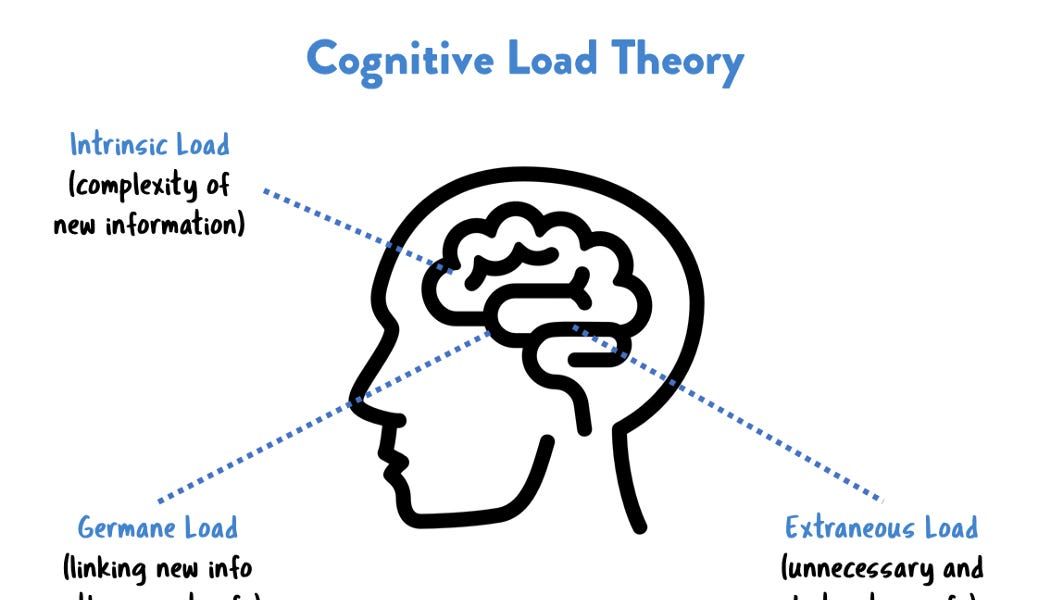
An explainer of cognitive load theory, tracing from George Miller's 1956 finding that working memory holds about seven chunks to John Sweller's 1988 instructional theory. It defines the three types of load (intrinsic, extraneous, germane), grounds them in working-memory and schema theory and element interactivity,
and presents four case studies (the worked-example effect in math, progressive disclosure in UI design, the redundancy effect in anaesthesia training, and the expertise-reversal effect in code review), plus the measurement problem, the germane-load debate, and other nuances.
What has been corrected on this page?
Every accepted correction to this page is recorded with the exact change, so readers can see how the page improved over time.
-
2 corrections applied: Miller was at Harvard when he published the 1956 'Magical Number Seven' paper; he did not join Princeton until 1979. | Sweller & Cooper (1985) was published in Cognition and Instruction, 2(1), 59-89 (matches the article's own reference list), not the Journal of Educational Psychology.
BeforeIn 1956, a Princeton psychologist named George A. Miller; in the Journal of Educational Psychology (77(1), 59-69)
AfterIn 1956, a Harvard psychologist named George A. Miller; in Cognition and Instruction (2(1), 59-89)
Why: Verified both corrections already correctly present on the live site (body content and bibliography, including downstream cross-references to the Sweller & Cooper 1985 citation). Neither unverified variant appears in faq, excerpt, or meta_description. No further action needed.
View the full record →
Who checked this page?
1 contributor has checked "Cognitive Load Theory: The Limits of Memory" on When Notes Fly. Each name below links to that person's public CitePep profile, where every contribution they have made is listed with the exact change they proposed.