
Career Risk Management
This is the CitePep accuracy record for “Career Risk Management”, published by When Notes Fly. It lists every change experts checked and accepted on that page.
Career risks: skill obsolescence, company failure, industry decline, economic downturns. Manage through diversification, learning, financial buffers.
What is this page about?
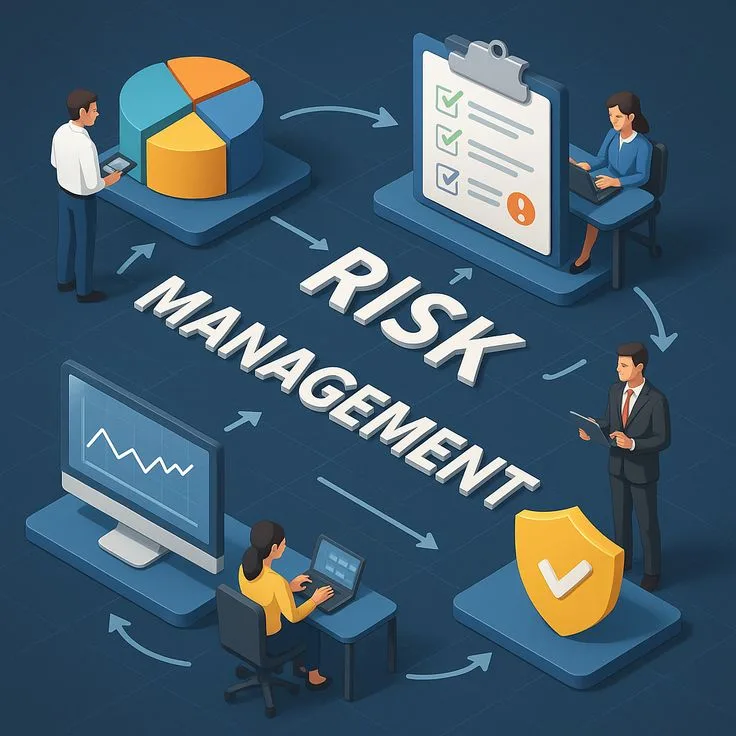
A guide to career risk management, opening with Silicon Valley Bank's 48-hour collapse and the concentration risk it exposed for employees who had staked their identity, network, and savings on one institution. It maps the landscape of career risk (industry, skill obsolescence, company-specific, role redundancy, and concentration risk), how to profile your own exposure,
and five mitigation strategies (diversify skills, build a distributed network, maintain financial resilience, build portable career capital, seek optionality), plus an antifragility framework, early warning signs, and managing disruption when risk materializes.
What has been corrected on this page?
Every accepted correction to this page is recorded with the exact change, so readers can see how the page improved over time.
-
The cited AER 2015 title describes a hiring-callback audit study, not the displacement-earnings work; corrected to Farber's actual displaced-workers paper title.
Beforepublished in the American Economic Review in 2015 as "Factors Determining Callbacks to Job Applications,"
Afterpublished in 2017 as "Employment, Hours, and Earnings Consequences of Job Loss,"
Why: Verified already correctly fixed on the live site (body content, correctly attributed to Farber, Silverman & von Wachter, 2017). No mention of the unverified title/date in faq, excerpt, or meta_description. No further action needed.
View the full record →
Who checked this page?
1 contributor has checked "Career Risk Management" on When Notes Fly. Each name below links to that person's public CitePep profile, where every contribution they have made is listed with the exact change they proposed.