
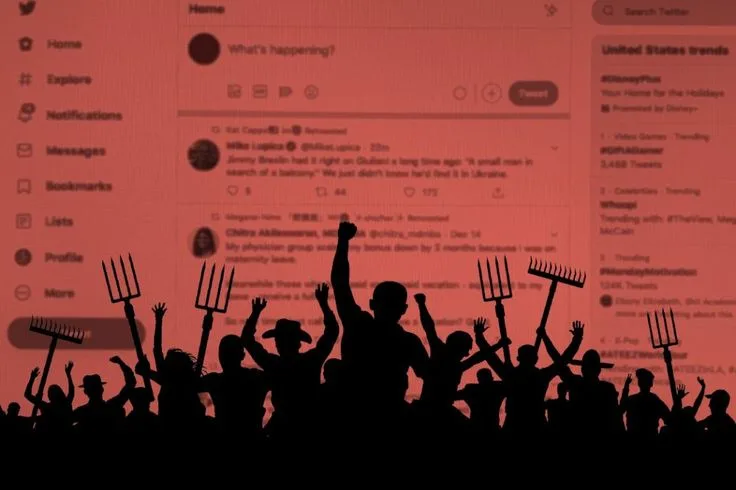
An Evidence-Based Look at Cancel Culture
This is the CitePep accuracy record for “An Evidence-Based Look at Cancel Culture”, published by When Notes Fly. It lists every change experts checked and accepted on that page.
Examine the psychology behind cancel culture, including online behaviors and the implications of digital permanence.
What is this page about?
An evidence-based look at how cancel culture works, opening with Justine Sacco's 2013 tweet that made her a global trending topic while she was on a flight. It offers a case typology distinguishing accountability from disproportionate punishment, traces public shaming from before social media to the digital transition,
and examines the psychology of online pile-ons (group polarization, performative outrage, moral licensing), the platform architecture of amplification, the proportionality and temporal problems, what research says about whether shaming changes behavior, targets' psychological outcomes, digital permanence, and the authoritarian uses of cancellation logic.
What has been corrected on this page?
Every accepted correction to this page is recorded with the exact change, so readers can see how the page improved over time.
-
Brady et al. PNAS study was published in 2017 (matches reference list), not 2021
BeforeResearch published in 2021 in the Proceedings of the National Academy of Sciences by William Brady
AfterResearch published in 2017 in the Proceedings of the National Academy of Sciences by William Brady
Why: Verified live: body already correctly reads 2017 (matching bibliography entry for Brady et al. 2017 PNAS). Checked FAQ (5 Q&A, no mention of Brady/PNAS date) and excerpt - no leftover fabrication found anywhere. Already fully correct, no further action needed.
View the full record →
Who checked this page?
1 contributor has checked "An Evidence-Based Look at Cancel Culture" on When Notes Fly. Each name below links to that person's public CitePep profile, where every contribution they have made is listed with the exact change they proposed.