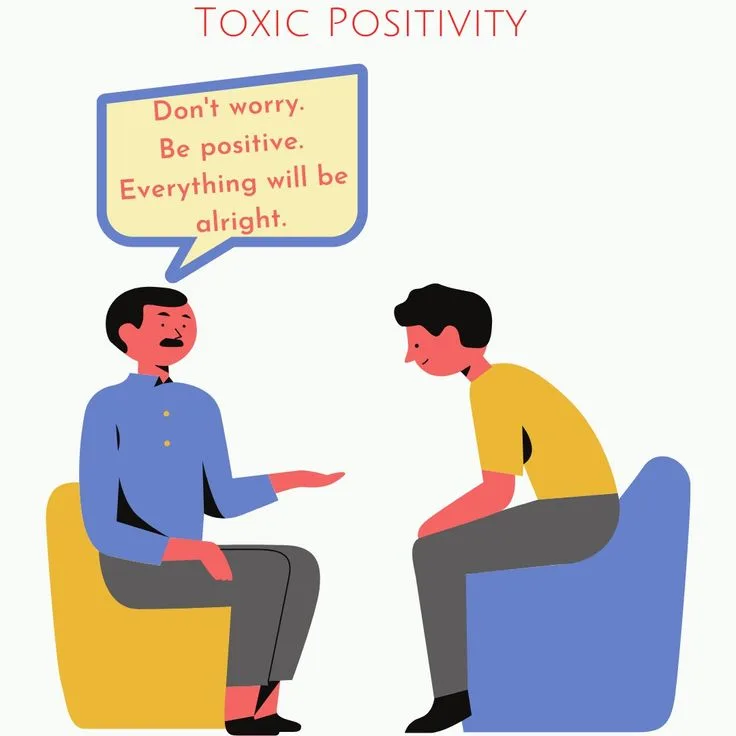
Understanding the Dangers of Toxic Positivity When Notes Fly Toxic positivity undermines genuine emotions, showing why forced optimism can lead to negative outcomes in emotional health. EBEmir Baycan
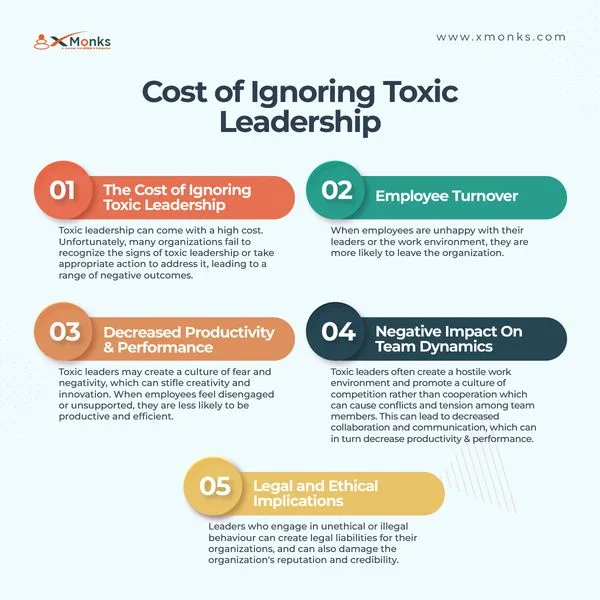
Understanding Toxic Leadership and Its Impact When Notes Fly Explore how toxic leadership harms employees and organizations, focusing on research about narcissism and abusive supervision. EBEmir Baycan

Debunking Time Management Myths: What Really Works When Notes Fly Identify prevalent time management myths and understand effective practices for better productivity. EBEmir Baycan

Thought Leadership Content Ideas When Notes Fly Thought leadership: original frameworks you name and make shareable, contrarian takes challenging assumptions backed by evidence. EBEmir Baycan

Thinking in Tradeoffs: Assessing Costs and Benefits When Notes Fly Learn to evaluate tradeoffs in decision-making by recognizing opportunity costs and second-order effects for informed choices. EBEmir Baycan

Evaluating Therapy, Self-Help, and Medication Effectiveness When Notes Fly An analysis of the effectiveness of therapy, self-help, and medication for mental health and their appropriate applications. EBEmir Baycan

The Sunday Scaries: Why They Happen and Fixes That Work When Notes Fly The research on Sunday evening anxiety, what produces it, and specific evidence-based interventions. EBEmir Baycan
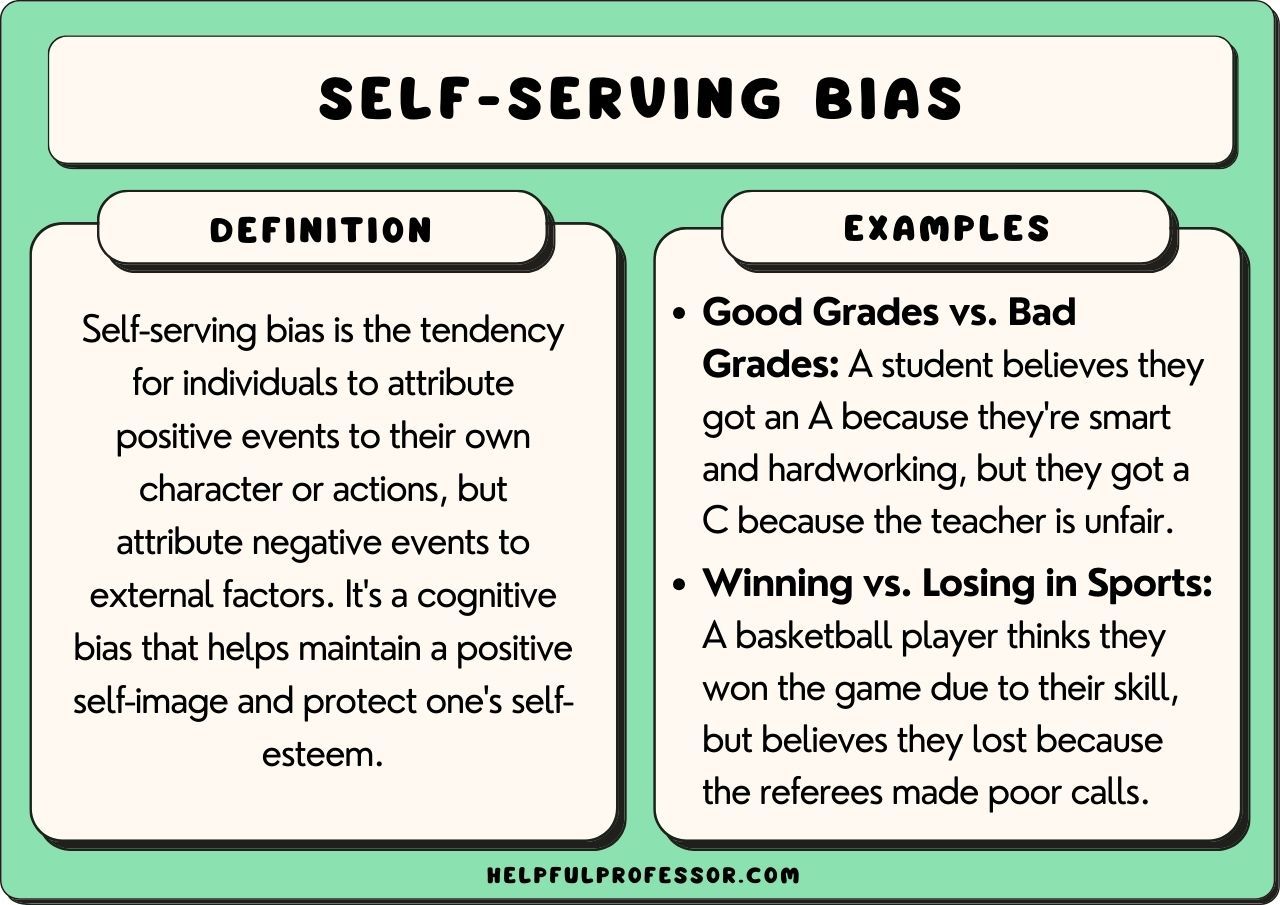
The Self-Serving Bias: Taking Credit, Avoiding Blame When Notes Fly In 1964, Johnson, Feigenbaum, and Weiby gave teachers feedback on a student's performance. When the student improved, teachers attributed it to... EBEmir Baycan

The Serious Effects of Loneliness on Health When Notes Fly Loneliness impacts health as severely as smoking 15 cigarettes a day, revealing its effects on the brain and body. EBEmir Baycan

Why Do Smart People Believe Conspiracy Theories? When Notes Fly Examine why intelligent individuals fall for conspiracy theories, discussing biases and psychological factors involved. EBEmir Baycan