
Correction Psychology Behavior
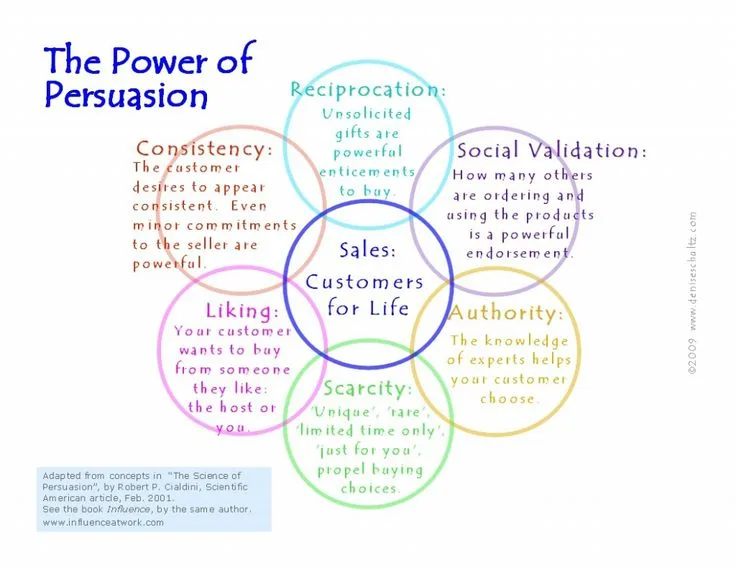
Unpacking the Psychology of Persuasion
The science of persuasion came from three years undercover: Cialdini took jobs in sales and fundraising to learn what practitioners knew.
Factually incorrect
The exact change
Before
The dark side of social proof is manufactured consensus. A 2020 investigation by the UK Competition and Markets Authority estimated that approximately 4% of all online reviews on major platforms are fake, representing a multi-billion-dollar industry of fabricated social proof. In professional persuasion contexts, authority cues include credentials, titles, uniforms, and endorsements by recognized experts.
After
(removed) The ethical use of authority involves deploying genuine credentials when they are relevant to the decision at hand.
Why this is better
Mayzlin, Dover and Chevalier AER 2014 tie the incentive to fake to ownership structure: highest for independent single-unit hotels, lowest for multi-unit chains. Source: https://doi.org/10.1257/aer.104.8.2421 Bushman 1988 PSPB 14(3):459-467: female confederate in uniform, professional or sloppy dress; compliance higher in uniform; abstract does not specify police or firefighter. Source: https://doi.org/10.1177/0146167288143004
More by Emir Baycan in Psychology Behavior
- Correction Understanding Positive Psychology's Key Concepts
- Correction The Impact of Sleep on Learning and Memory
- Correction Retroactive Interference and Memory Disruption Defined
- Correction Dunning-Kruger Effect: Key Research and Myths