
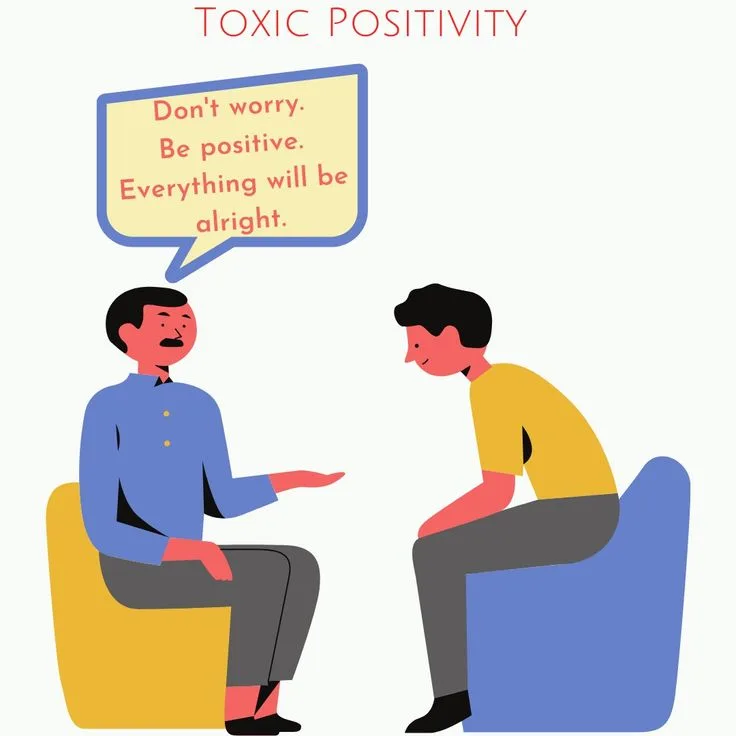
Understanding the Dangers of Toxic Positivity
Toxic positivity is defined by sequence, not sentiment: it skips validation and jumps to reassurance, so the comfort lands as dismissal.
The exact change
Teams with lower psychological safety underreported errors, making quality improvement impossible. The "good vibes only" culture was literally costing patients. Even without clinical-level impact, momentary invalidation affects the quality of emotional processing. A 2015 study by Molina, Solomon, and Schwartz found that participants whose emotional responses were invalidated by a conversation partner showed increased physiological arousal and greater emotional intensity in the minutes following the interaction, compared to those whose emotions were validated. Research by Wegner, Zanakos, and colleagues in the 1990s demonstrated this consistently across different thought content, emotional states, and populations.
The organizational costs, in turnover, productivity, and innovation suppression, are substantial. The invalidation did not reduce the emotion, it amplified it. Emotional Disclosure and Its Benefits The suppression produced a rebound effect precisely where it was intended to reduce distress.
Why this is better
SHRM press release reports 1 in 5 left over culture and 76% say a manager sets culture; no 58% figure verified. Source: https://www.shrm.org/about/press-room/shrm-reports-toxic-workplace-cultures-cost-billions No Molina, Solomon and Schwartz 2015 invalidation study found. Source: WebSearch (none found) No Molina, Solomon and Schwartz 2015 invalidation study found. Source: WebSearch (none found) Sentence only restated the unsupported study finding. Source: n/a Borton, Markowitz and Dieterich (2005, J Soc Clin Psychol 24, 172-190) studied suppression of negative self-referent thoughts: lower self-esteem, more anxious and depressed mood. Source: https://doi.org/10.1521/jscp.24.2.172.62269
More by Emir Baycan in Psychology Behavior
- Correction Understanding Positive Psychology's Key Concepts
- Correction The Impact of Sleep on Learning and Memory
- Correction Retroactive Interference and Memory Disruption Defined
- Correction Dunning-Kruger Effect: Key Research and Myths