
Correction Psychology Behavior
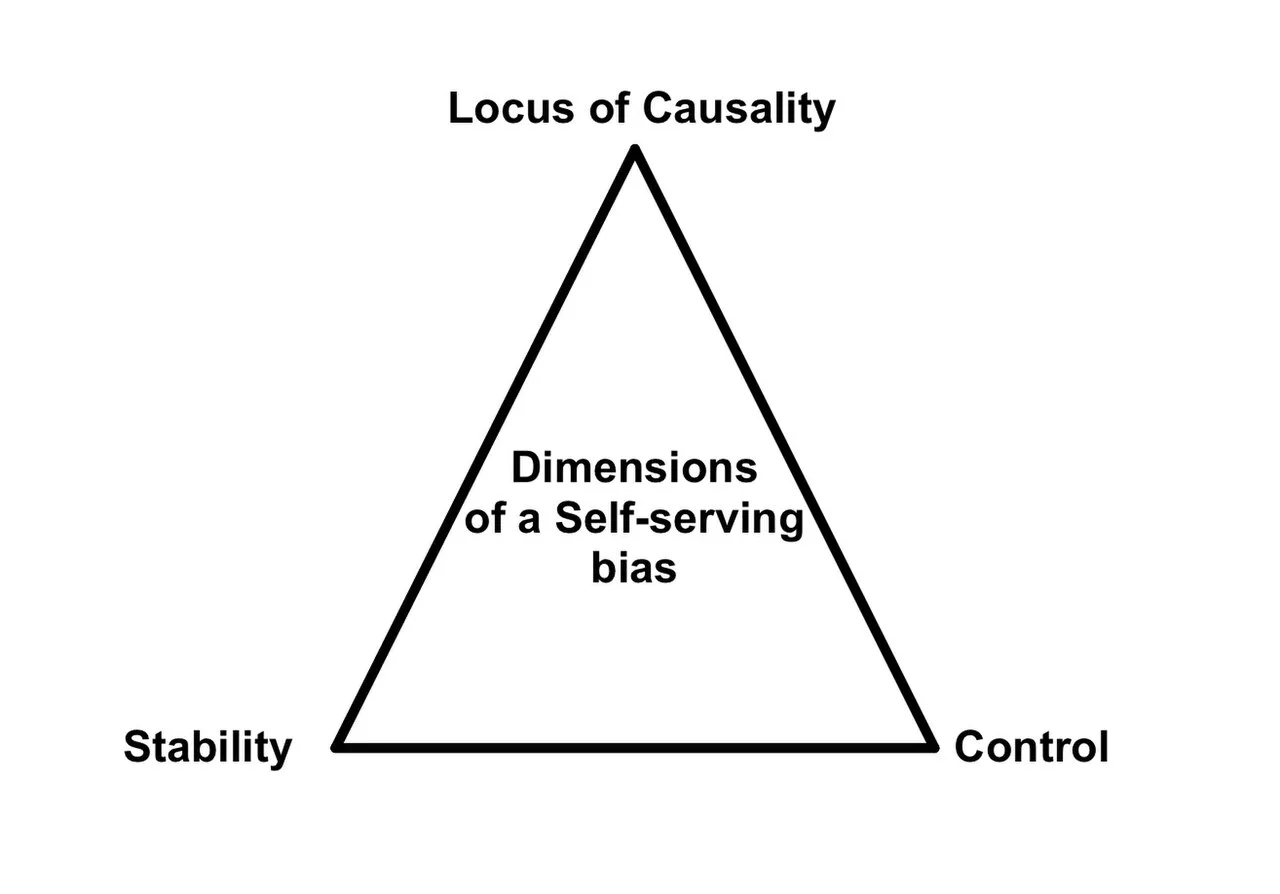
The Self-Serving Bias: Taking Credit, Avoiding Blame
Self serving bias was caught cleanly in 1964: student teachers credited themselves when a pupil improved and blamed the pupil when scores fell.
Needs stronger evidence
The exact change
Before
The Medical Malpractice Attribution (Clinical Medicine) In a 2003 analysis by physicians Brian Fischhella and colleagues examining incident reports from a large teaching hospital, a consistent pattern emerged in how attending physicians described adverse patient outcomes. When a patient recovered faster than expected, physicians in their notes overwhelmingly attributed the outcome to the quality of the treatment decisions, the speed of diagnosis, or the appropriateness of the medication regimen. When a patient deteriorated unexpectedly, the language of notes shifted toward patient non-compliance, underlying comorbidities, unusual disease presentation, or nursing errors.
After
When a patient recovered faster than expected, physicians in their notes overwhelmingly attributed the outcome to the quality of the treatment decisions, the speed of diagnosis, or the appropriateness of the medication regimen. When a patient deteriorated unexpectedly, the language of notes shifted toward patient non-compliance, underlying comorbidities, unusual disease presentation, or nursing errors. This is the self-serving attribution pattern applied at the level of professional self-documentation. The same physicians, the same unit, the same general patient population. The direction of the outcome determined the direction of the attribution. This finding has direct consequences for error reporting in healthcare systems, because self-serving attribution actively impedes the kind of honest post-mortem analysis that quality improvement systems depend on. If physicians systematically attribute adverse outcomes to external factors, root cause analyses will consistently misidentify the contributing causes.
Why this is better
No author or paper by this name found in searches of teaching-hospital incident-report studies. Source: web search Describes only the unfound study. Source: web search Describes only the unfound study. Source: web search Interprets only the unfound study's findings. Source: web search
More by Emir Baycan in Psychology Behavior
- Correction Understanding Positive Psychology's Key Concepts
- Correction The Impact of Sleep on Learning and Memory
- Correction Retroactive Interference and Memory Disruption Defined
- Correction Dunning-Kruger Effect: Key Research and Myths