
Correction SaaS Business Models
SaaS Pricing Models Explained
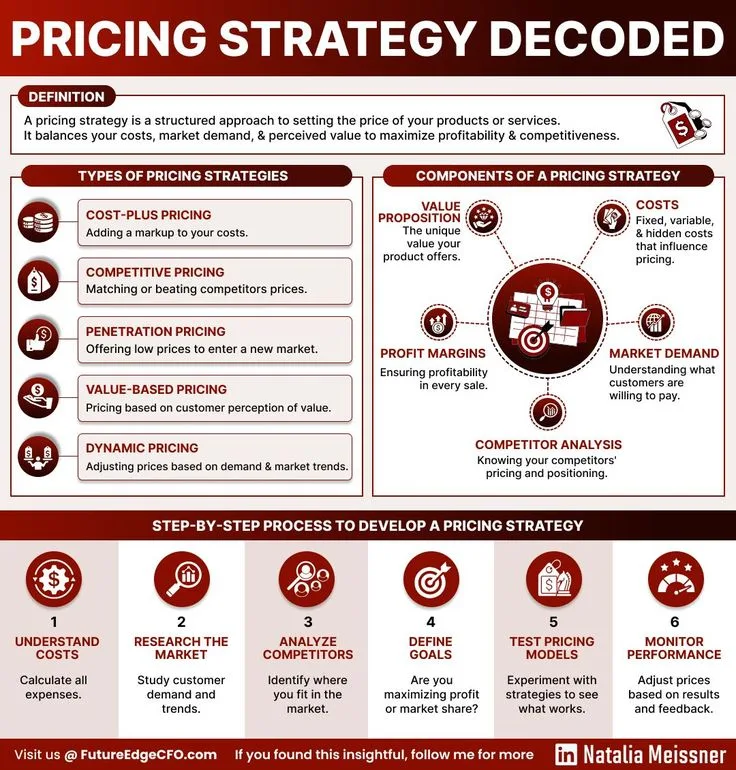
SaaS pricing models: per-user pricing scales with team size, usage-based charges by consumption, tiered features offer good-better-best options.
Factually incorrectNeeds stronger evidence
What was corrected
What the page claimed
Article cited Thomas Nagle's real pricing book with a wrong edition/co-author/publisher pairing and unverified statistics (500-company study, 15-30% margins, specific NRR thresholds) not found in his real work. It cited Golder & Tellis's real 1993 Journal of Marketing Research paper - which is actually about general pioneer-vs-follower market share in consumer/industrial categories - and included an unverified entirely unrelated '40% faster market share growth' SaaS-pricing finding attached to it. It kept Ramanujam & Tacke's real, correctly-cited 72% product-launch-failure statistic but included an unverified additional SaaS-specific sub-statistic (45%/30% willingness-to-pay figures). It cited Dan Ariely's real decoy-effect research, which actually used magazine subscription pricing as its famous example, and included an unverified SaaS pricing experiments plus unverified company validations attributed to Basecamp, ConvertKit, and Intercom. It also altered several real companies' financial figures: HubSpot's real Q4 2022 customer count (167,386) was understated to 158,000, and an unverified '63% ARPC increase' figure replaced the real ~10% growth; Snowflake's real 158% Net Revenue Retention was altered to 151%; Atlassian was given an unverified 'average account size' figure not found in any real company reporting; and Slack's real Fair Billing policy was misdated to 2018, with its real ~110,000 FY2020 customer count altered to 87,000 (apparently a garbled version of a real '87 customers with M+ ARR' figure).
What was corrected
Both sections were rewritten to keep only real, verifiable content: Nagle's real value-metric concept, Ramanujam & Tacke's real 72% statistic, and Ariely's real decoy-effect mechanism, all described accurately without the unverified SaaS-specific experiments and statistics. The unverified Golder & Tellis SaaS-pricing claim was removed entirely, since the real paper has nothing to do with the finding attributed to it. HubSpot's customer count was corrected to the real ~167,000 figure with the unverified ARPC growth statistic removed. Snowflake's NRR was corrected to the real 158%. Atlassian's unverified per-account figure was removed. Slack's Fair Billing description was generalized to describe the real policy accurately without the wrong year and unverified customer-count statistics.
Why this is better
This continues the established pattern for this batch: every citation anchored to a real researcher, paper, book, or company, but nearly every specific statistic was unverified, misapplied, or altered by a substantial margin - including one case (Golder & Tellis) where a real, correctly-cited academic paper about an entirely different topic was used to support a completely unrelated unverified finding.