
Correction Psychology Behavior
The Representativeness Heuristic: Judging by Appearances
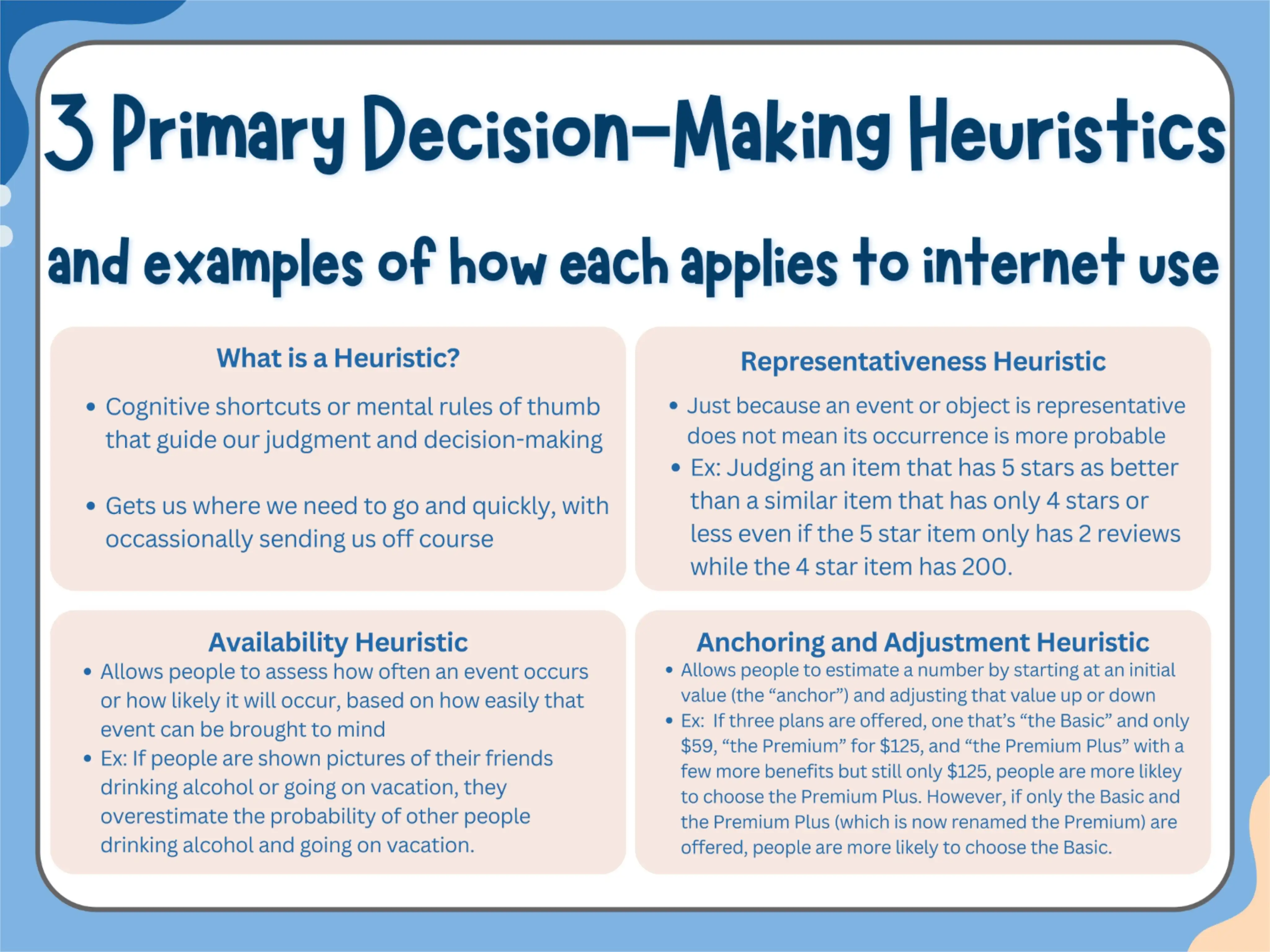
The representativeness heuristic shows up in the Linda problem, where most readers pick an option that cannot be more probable than its own component.
Factually incorrect
The exact change
Before
heuristic in the 1974 Science paper, explicitly raised the danger of this reasoning in legal contexts, noting that judging probability by resemblance creates systematic vulnerability to stereotyping.
After
When Representativeness Is Adaptive
Why this is better
Wells (1984) proposes a relative-judgment conceptualization: witnesses choose the lineup member who most resembles the perpetrator relative to the others. Source: https://doi.org/10.1111/j.1559-1816.1984.tb02223.x
More by Emir Baycan in Psychology Behavior
- Correction Understanding Positive Psychology's Key Concepts
- Correction The Impact of Sleep on Learning and Memory
- Correction Retroactive Interference and Memory Disruption Defined
- Correction Dunning-Kruger Effect: Key Research and Myths