
Correction Psychology Behavior
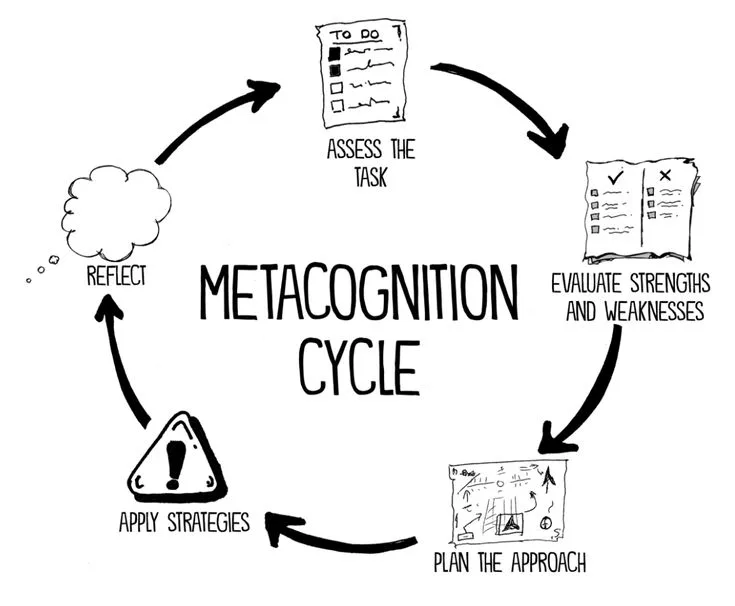
What Is Metacognition? Thinking About Your Own Thinking
Metacognition explained: monitoring, control, and calibration, plus why rereading feels like learning and retrieval practice actually is.
Factually incorrect
The exact change
Before
Fischhoff, Slovic, and Lichtenstein (1977) found that subjects setting confidence intervals for uncertain quantities (the distance from London to Paris, the year of a historical event) consistently set intervals that were too narrow - their 90% confidence intervals contained the correct answer far less than 90% of the time.
After
Studies in which subjects set 90% confidence intervals for uncertain quantities found that the intervals were consistently too narrow: they contained the correct answer far less than 90% of the time.
Why this is better
Fischhoff, Slovic & Lichtenstein 1977 studied odds-based confidence in general-knowledge answers; interval overconfidence is from Alpert & Raiffa (1982); London-Paris example not verified. Source: https://doi.org/10.1017/CBO9780511809477.022
More by Emir Baycan in Psychology Behavior
- Correction Understanding Positive Psychology's Key Concepts
- Correction The Impact of Sleep on Learning and Memory
- Correction Retroactive Interference and Memory Disruption Defined
- Correction Dunning-Kruger Effect: Key Research and Myths