
Correction Psychology Behavior
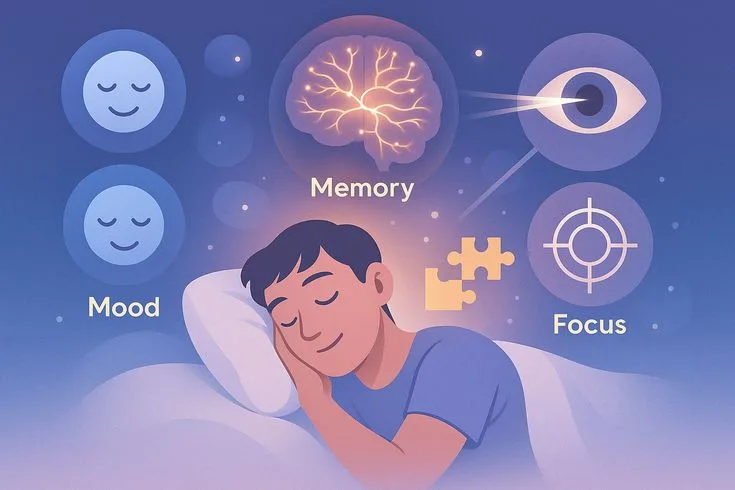
The Impact of Sleep on Learning and Memory
Sleep and memory consolidation does more than preserve: sleepers were nearly three times likelier to spot a hidden shortcut than people who stayed awake.
Factually incorrectNeeds stronger evidence
The exact change
Before
A 2019 study by Conner and colleagues, tracking 101 college students over nine weeks using daily diaries, found that nights with more sleep than average were followed by better academic performance the next day. | The relationship held even when controlling for study time, suggesting sleep was an independent predictor beyond effort.
After
A 2019 study by Kana Okano and colleagues at MIT, tracking 100 students in an introductory chemistry class with wearable sleep trackers for a semester, found that longer, better, and more consistent sleep was strongly associated with better grades, together accounting for nearly 25 percent of the variance in academic performance. | Removed.
Suggested change
Corrected 1 figure to the published source. Removed 1 unsourced claim.
Why this is better
Each study and survey figure in the article was checked against the published source. Figures that differed from the source were corrected to the source's own numbers, dates and attribution. Claims for which no published source could be located were removed.
More by Emir Baycan in Psychology Behavior
- Correction Chronic Procrastination in Highly Motivated People
- Correction The Evolutionary Purpose of Emotions Explained
- Correction Why Mental Health Rates Are Changing
- Correction Insights on Great Leadership from 50 Years of Research