
Correction Psychology Behavior
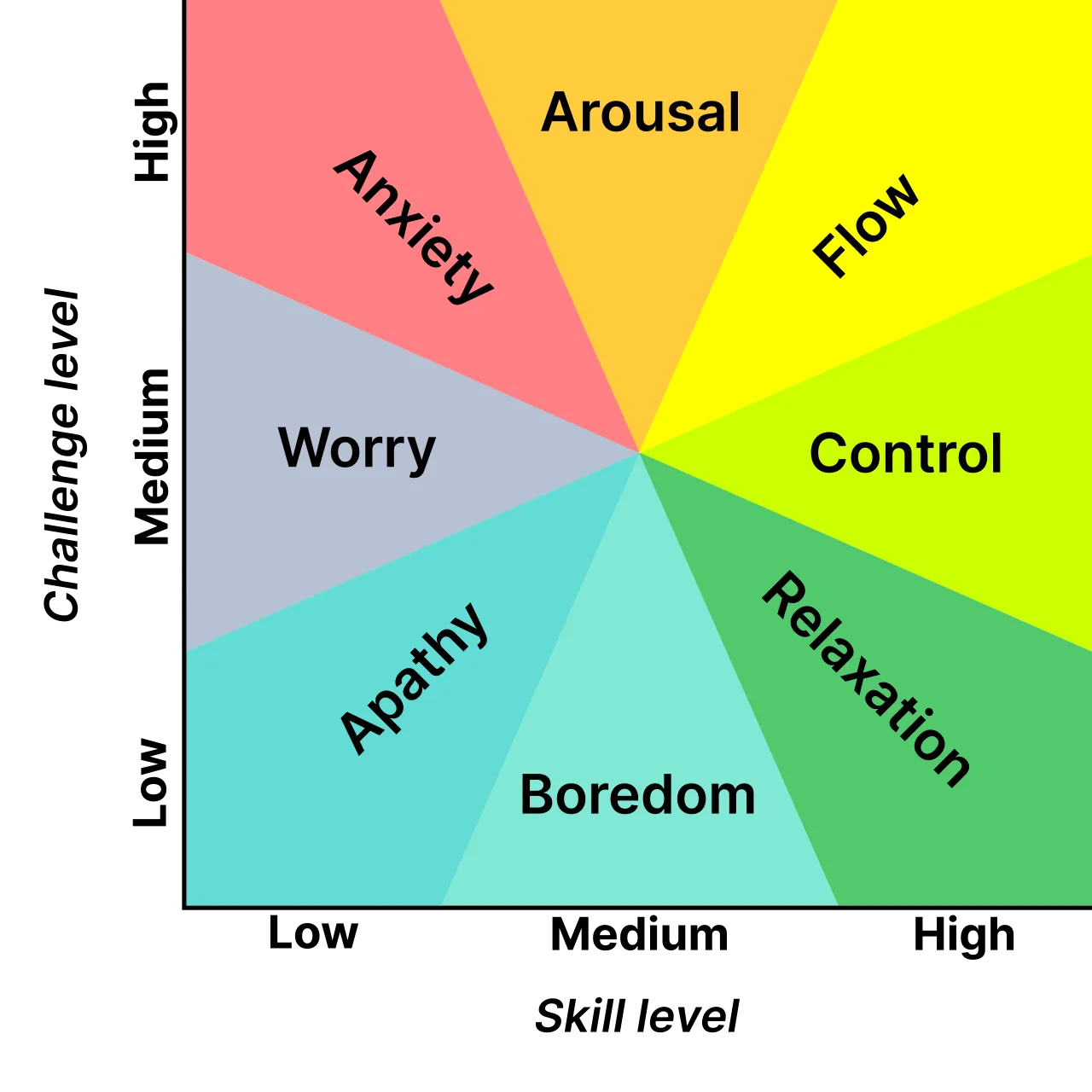
Flow State: The Psychology Behind Optimal Experience
Flow state: Csikszentmihalyi asked chess players in 1963 what playing felt like, and climbers and surgeons gave the same answer.
Factually incorrect
The exact change
Before
Neuroimaging evidence, while still limited by small sample sizes, consistently supports the transient hypofrontality account.
After
The musician who is in flow is not searching for the next note; the note arrives.
Why this is better
Europe PMC: NeuroImage 2013, PET in 25 healthy adults, flow proneness questionnaire, r=.41, dorsal striatum; not measured during piano performance and not in PLOS ONE. Source: https://doi.org/10.1016/j.neuroimage.2012.10.072
More by Emir Baycan in Psychology Behavior
- Correction Understanding Positive Psychology's Key Concepts
- Correction The Impact of Sleep on Learning and Memory
- Correction Retroactive Interference and Memory Disruption Defined
- Correction Dunning-Kruger Effect: Key Research and Myths