
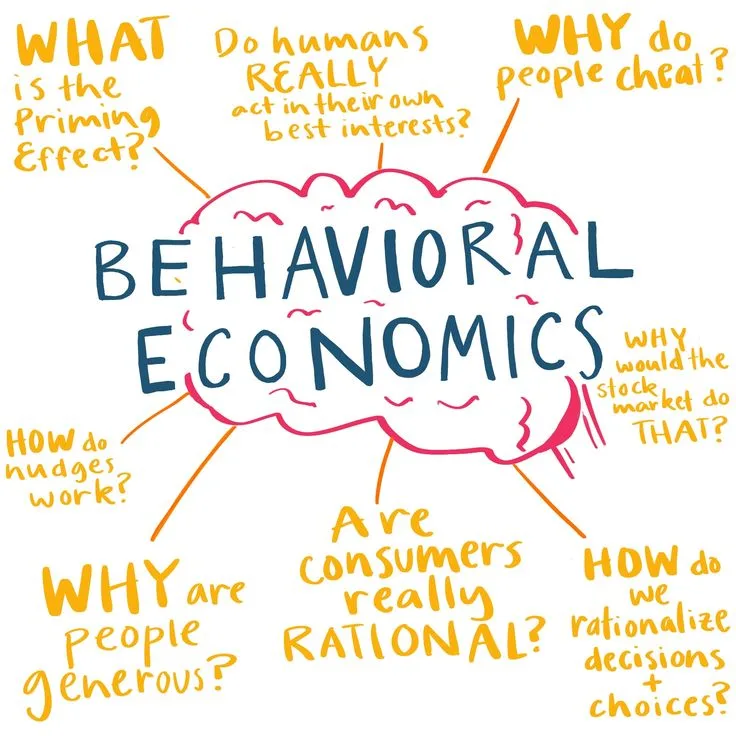
Origins of Behavioral Economics
This is the CitePep accuracy record for “Origins of Behavioral Economics”, published by When Notes Fly. It lists every change experts checked and accepted on that page.
Origins of behavioral economics: Simon's 1950s bounded rationality and Kahneman and Tversky's 1970s work showed errors are systematic.
What has been corrected on this page?
Every accepted correction to this page is recorded with the exact change, so readers can see how the page improved over time.
-
A claim-level statistics check of this article: 1 claim that did not match the published source was corrected to what the source reports.
BeforeA 2006 study by Benartzi and Thaler examining 12 companies that adopted SMarT found that average savings rates increased from 3.5% to 11.6% over the program's first four years.
AfterThaler and Benartzi's 2004 study of the first SMarT implementation found that participants' average saving rates rose from 3.5% to 13.6% over 40 months.
Why: Each study and survey figure in the article was checked against the published source. Figures that differed from the source were corrected to the source's own numbers, dates and attribution.
View the full record →
Who checked this page?
1 contributor has checked "Origins of Behavioral Economics" on When Notes Fly. Each name below links to that person's public CitePep profile, where every contribution they have made is listed with the exact change they proposed.