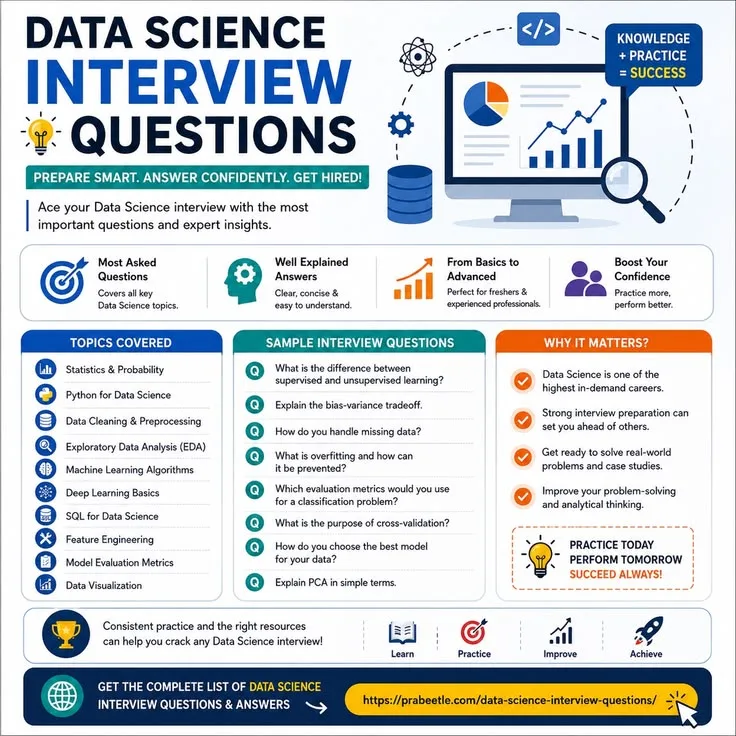
Inside the Data Scientist Interview Process
This is the CitePep accuracy record for “Inside the Data Scientist Interview Process”, published by When Notes Fly. It lists every change experts checked and accepted on that page.
Understand the components of data scientist interviews, including practical tests and key skills being evaluated.
What has been corrected on this page?
Every accepted correction to this page is recorded with the exact change, so readers can see how the page improved over time.
-
A review of this article on the data scientist interview process found that several specific statistics attributed to real companies could not be verified against their actual published research, one statistic was correctly sourced to the wrong company, and one citation attributed a specific argument to a real writer without a findable source.
What the page claimedThe article attributed a specific '35 to 45 day' hiring timeline to a 2024 Glassdoor report, an '89 percent of interviews include SQL' figure to a 2023 DataLemur survey, and a '62 percent of candidates exceed the stated time estimate' figure to a 2023 Burtch Works survey, none of which could be located in those companies' real published research. It attributed a specific formally cited argument to Cassie Kozyrkov that could not be traced to any of her real, findable writing. It also attributed a real, well-documented '73 percent of employers expect negotiation' statistic to Glassdoor, when that figure actually comes from a CareerBuilder survey.
What was correctedThe article now describes hiring timelines, SQL prevalence, and take-home project time overruns in accurate general terms rather than attaching unverifiable precise figures to specific surveys, references Cassie Kozyrkov's real, findable body of writing on statistical literacy without an unverified specific citation, and correctly attributes the 73 percent negotiation statistic to CareerBuilder.
Why: Web searches for each cited statistic found that the underlying companies and person are real, but the specific figures, survey years, and one source attribution did not match their real, published output. Since the general advice in each case remains accurate and well supported, the article was corrected to describe these points in verifiable terms rather than removing the underlying guidance.
View the full record →
Who checked this page?
1 contributor has checked "Inside the Data Scientist Interview Process" on When Notes Fly. Each name below links to that person's public CitePep profile, where every contribution they have made is listed with the exact change they proposed.