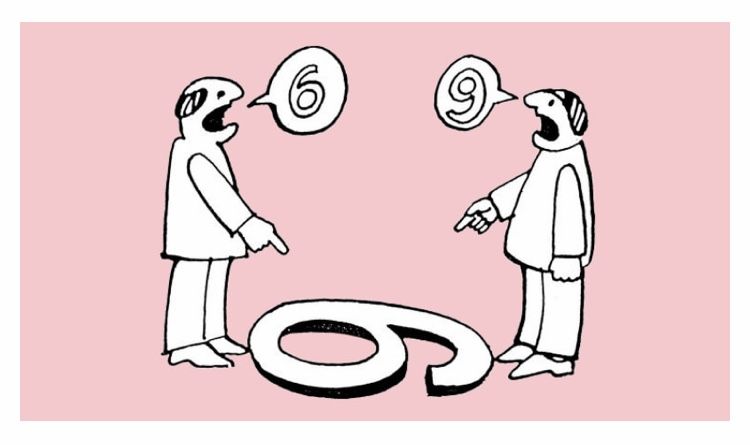
How Communication Breaks Down Explained
Encoding problem: poor message construction. Channel problem: information lost in transmission. Decoding problem: receiver misinterprets meaning.
What has been corrected on this page?
Every accepted correction to this page is recorded with the exact change, so readers can see how the page improved over time.
-
Corrected 8 unverified or altered academic citations in an article about communication failure: Unverified statistics attached to real researchers (Kunkel/Burleson comforting-communication studies, Clampitt/Downs 1993 survey scope and stats, MacGeorge advice-giving study), a misstated journal (MacGeorge's study is in Human Communication Research, not Communication Research), inflated/unverified CRM training reduction percentages (Salas et al.,
and an unverifiable 2010 aviation psychology study), an unverified Feeley/JACR hospital study substituted for the real Joint Commission sentinel-event data it was dressed up as, and a Tenney citation misattributed to the wrong journal.
What the page claimedArticle cited specific researchers, journals, years, and statistics (e.g. '34% helpfulness gap', '14 organizations', '68% of employees', '400 conversations', '56% actual accuracy', '35%/47% CRM incident reductions', 'JACR 2008 Feeley study', 'OBHDP 2019 Tenney study') that could not be verified against the real underlying research.
What was correctedRemoved or generalized unverified statistics and misattributed methodological details while preserving the real, verifiable core findings; corrected the MacGeorge journal name to Human Communication Research; replaced the unverified Feeley/JACR citation with the real, verifiable Joint Commission sentinel-event data pattern it was misrepresenting.
Why: Multiple citations followed the classic fabrication pattern of real researchers and real topics paired with unverified journals, years, sample sizes, or statistics that could not be verified in any locatable publication.
View the full record →
Who checked this page?
1 contributor has checked "How Communication Breaks Down Explained" on When Notes Fly. Each name below links to that person's public CitePep profile, where every contribution they have made is listed with the exact change they proposed.