
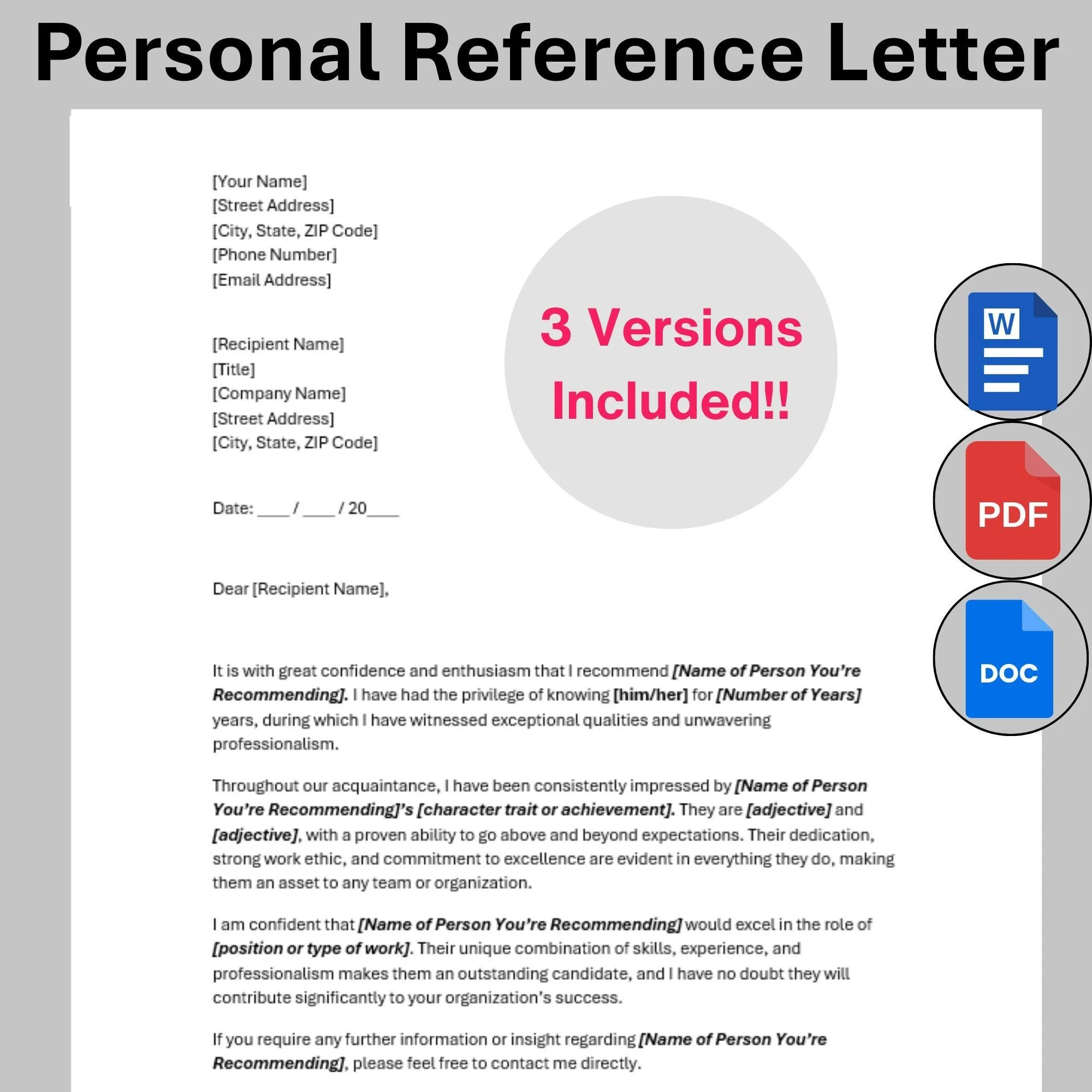
Professional Reference Letter Templates for Any Role
This is the CitePep accuracy record for “Professional Reference Letter Templates for Any Role”, published by Evolang. It lists every change experts checked and accepted on that page.
Four-section reference letter structure, credibility language patterns, and three full templates for direct manager, executive, and character references.
What has been corrected on this page?
Every accepted correction to this page is recorded with the exact change, so readers can see how the page improved over time.
-
Unverified quote attributed to Alison Green. This exact quote could not be verified in her published work or column.; unverified quote attributed to Liz Ryan. This exact quote could not be verified in her published work, Forbes columns, or public statements found via web search.; unverified quote attributed to Adam Grant. This exact quote could not be verified in his published work or public statements found via web search.
Before<blockquote> <p>"The reference letter is where you find out whether the candidate's reputation holds up when the person recommending them no longer needs to be polite. The absence of specifics is almost always the tell." Alison Green, Ask a Manager</p> </blockquote> [...] <blockquote> <p>"Give me one specific story and one calibrated comparison, and I can make a hire. Give me a letter of superlatives, and I have to phone the writer to find out what they actually meant." Liz Ryan, former Fortune 500 HR executive</p> </blockquote> [...] <blockquote> <p>"In my line of work, a reference letter that names specific projects, specific results, and a specific phone number is a letter I take seriously. A letter of adjectives I still read, but with different questions in mind." Adam Grant, Wharton School</p> </blockquote>
After<blockquote> <p>Workplace advice writers such as Alison Green of Ask a Manager have noted that a reference letter is often where a candidate's reputation gets tested honestly, and that vague, unspecific letters are usually the clearest warning sign.</p> </blockquote> [...] <blockquote> <p>HR professionals like former Fortune 500 HR executive Liz Ryan have long argued that a specific story and a calibrated comparison do more hiring work than a letter full of superlatives, which often forces the reader to call the writer just to find out what they actually meant.</p> </blockquote> [...] <blockquote> <p>Organizational psychologists who study hiring, including Wharton's Adam Grant, have observed that reference letters naming specific projects, results, and contact information tend to be taken more seriously than letters built mainly on adjectives.</p> </blockquote>
Why: Unverified quote attributed to Alison Green. This exact quote could not be verified in her published work or column.; unverified quote attributed to Liz Ryan. This exact quote could not be verified in her published work, Forbes columns, or public statements found via web search.; unverified quote attributed to Adam Grant. This exact quote could not be verified in his published work or public statements found via web search.
View the full record →
Who checked this page?
1 contributor has checked "Professional Reference Letter Templates for Any Role" on Evolang. Each name below links to that person's public CitePep profile, where every contribution they have made is listed with the exact change they proposed.