Correction Explainers
How Version Control Systems Work
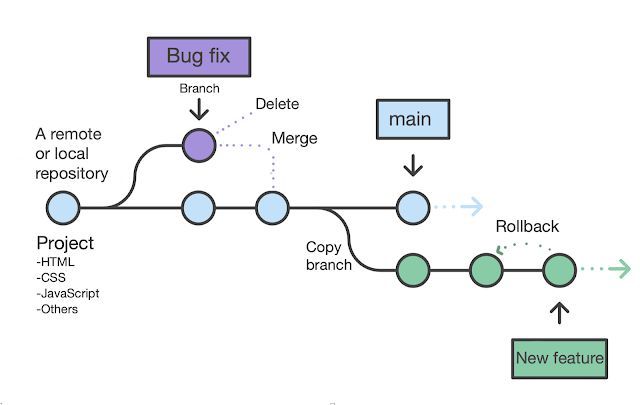
Git stores snapshots as commits with complete file trees and metadata. Objects include blobs for content, trees for directories, commits for history.
Factually incorrectNeeds stronger evidence
What was corrected
What the page claimed
The article described a real 2009 study on Windows Vista as finding that geographically distributed development caused significantly higher defect rates, when the study's actual conclusion was the opposite: geography made little difference once organizational factors were considered. It attributed a defect-prediction finding to a paper titled 'The Use of Version History to Audit Changes in Formal Methods Tools' by Emad Shihab that could not be located anywhere. It cited a researcher named 'Bert W. Kemerer' who does not match any real person (the real researcher is Chris F. Kemerer), and incorrectly presented his study and an unrelated de Alwis and Sillito study as one combined finding. It cited precise Stack Overflow survey percentages, a mischaracterized finding from a real Rahman and Devanbu paper, unconfirmed DORA branch-duration percentages, an unconfirmed statistic attributed to Paul Hammant along with an incorrect claim that he coined the term 'trunk-based development,' incorrect sample sizes for a real Bacchelli and Bird study, an unlocatable statistic attributed to a real Elbaum, Rothermel, and Penix paper that is actually about a different topic, and unconfirmed percentages attributed to a real Google monorepo study. Its bibliography also included two DOI numbers that did not resolve to their listed sources.
What was corrected
The article now accurately describes the Windows Vista study's real conclusion, replaces the unlocatable Shihab citation with the real Nagappan and Ball paper that established the code-churn-defect finding, corrects the researcher's name to Chris F. Kemerer and separates the two studies that had been conflated, hedges the Stack Overflow and DORA statistics to their real confirmed directional findings, corrects the description of the Rahman and Devanbu paper's actual finding, corrects Hammant's role to documenting rather than coining trunk-based development and removes the unconfirmed statistic, corrects the Bacchelli and Bird study's sample sizes, corrects the description of the Elbaum, Rothermel, and Penix paper's real subject, hedges the Google monorepo study's percentages to its real documented qualitative findings, and fixes or removes the two mismatched bibliography DOIs.
Why this is better
Web searches for each cited study, researcher, and statistic found that the large majority of named sources are real and well-documented, but a substantial number of specific findings, names, and figures did not match what those sources actually say, including one case where a real study's conclusion was reversed. Each was corrected to reflect the real, verifiable source material.
More by Emir Baycan in Explainers
- Correction What Near-Death Experiences Reveal About Consciousness
- Correction An Overview of Machine Learning Model Training
- Correction How to Conduct a Premortem: Identify Project Risks
- Correction How Epigenetics Functions: Gene Regulation and Experience