
Concepts pages on record
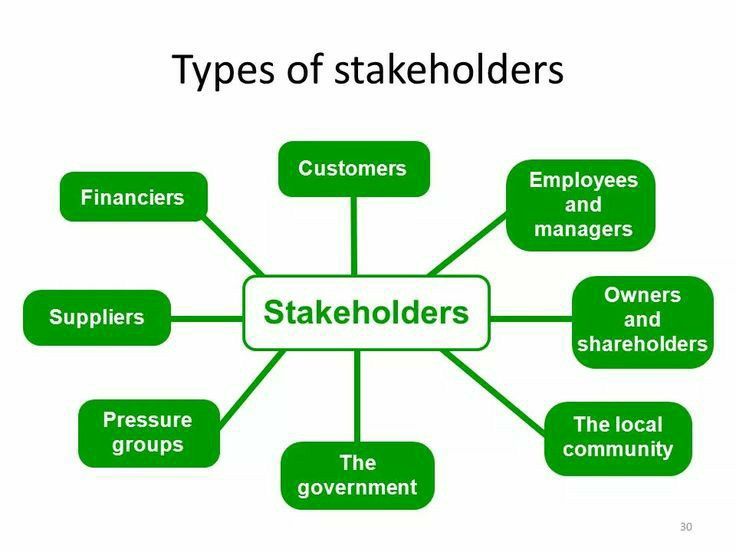
What Is Stakeholder Theory: Business Beyond Shareholders When Notes Fly Stakeholder theory argues businesses owe duties to all affected parties, not just shareholders. EBEmir Baycan

Spaced Repetition: The Most Efficient Way to Learn Anything When Notes Fly Explore how spaced repetition improves retention through principles and techniques, from Ebbinghaus to Anki. EBEmir Baycan

Understanding Somatic Intelligence: Body-Knowing Mind When Notes Fly Understanding somatic intelligence means learning how the body senses, interprets, and acts on cues that shape emotion and decisions. EBEmir Baycan

Understanding Social Loafing in Group Dynamics When Notes Fly Social loafing describes the tendency for individuals to exert less effort when working in a group. EBEmir Baycan
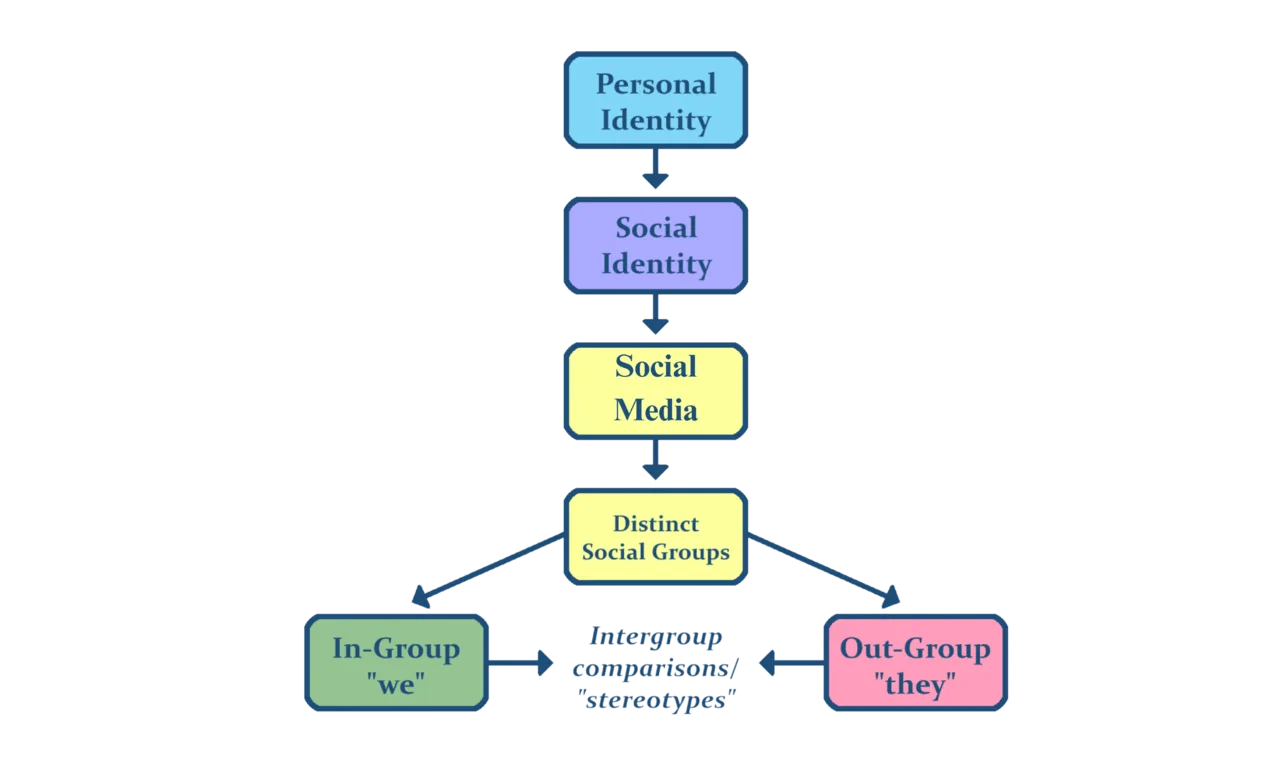
Social Identity Theory: Favoring Our In-Group When Notes Fly Social identity theory explains our preference for in-groups even without valid reasons for favoring them. EBEmir Baycan

Understanding Social Comparison Theory and Its Effects When Notes Fly Silver medalists often display less happiness than bronze winners due to upward comparisons, highlighting the impact of social comparison. EBEmir Baycan

The Scarcity Principle: The Allure of Limited Resources When Notes Fly The Scarcity Principle explains why scarcity increases desirability, commonly exploited in marketing. EBEmir Baycan

What Is Regulatory Capture: When Regulators Serve Industry When Notes Fly Regulatory capture occurs when agencies meant to serve the public interest instead advance the interests of the industries they regulate. EBEmir Baycan

The Pygmalion Effect: Expectations in Education and Work When Notes Fly The Pygmalion effect at work: how manager expectations shape employee performance, from the Oak School experiment to modern workplace management. EBEmir Baycan
What Is the Principal-Agent Problem and Why It Matters When Notes Fly The principal-agent problem occurs when someone acts on your behalf but has different incentives. EBEmir Baycan