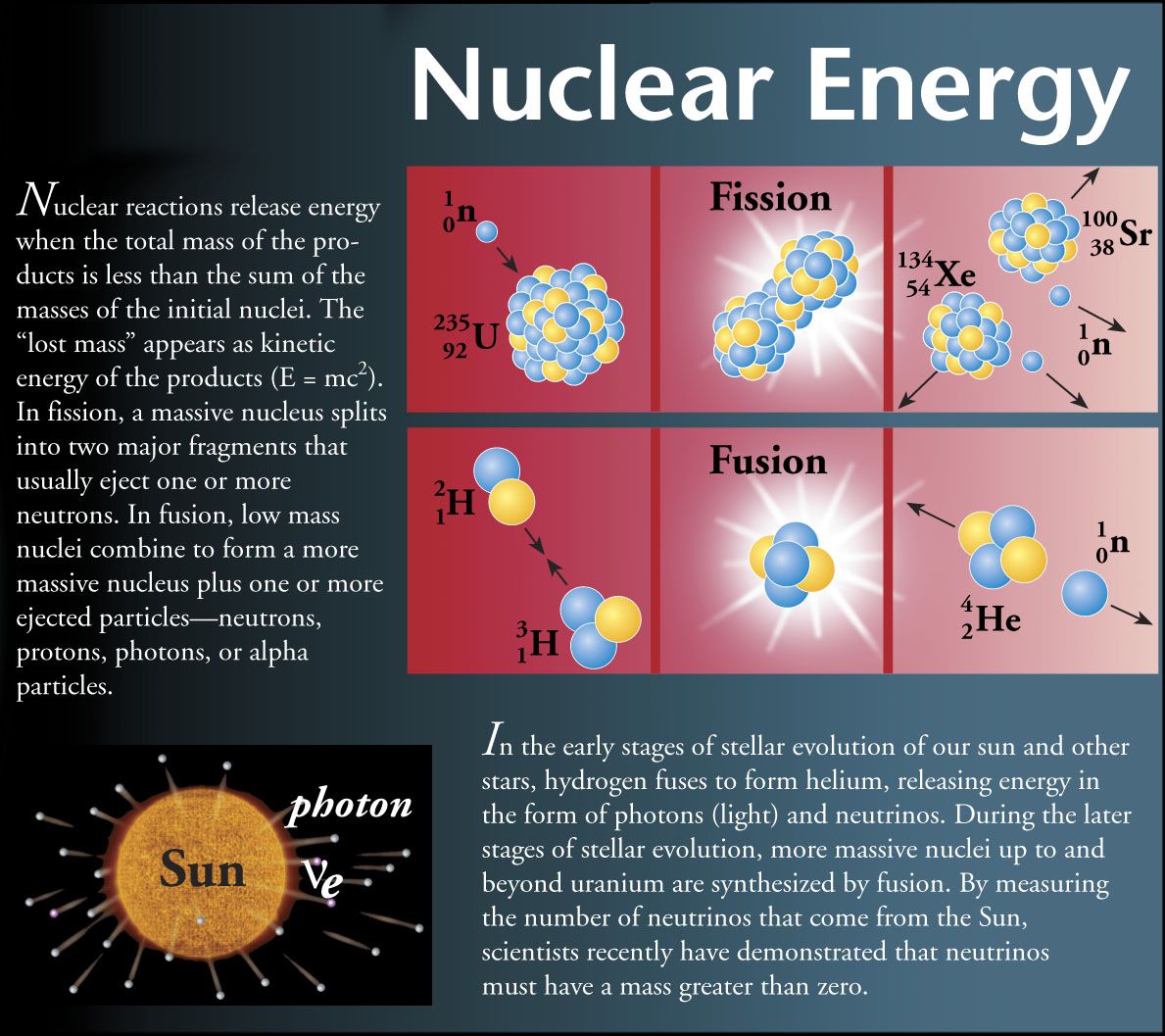
How Nuclear Energy Functions: Fission and Reactor Power
A deep look at how humans acquire language, from nativist theories and the critical period hypothesis to statistical learning.
What is this page about?
An explainer of how language acquisition works, opening with Nicaraguan Sign Language, the only documented case of a complete language created from nothing within a generation when deaf children added grammar their teachers never taught.
It covers the critical period hypothesis and age-of-arrival evidence, the nativist position, statistical learning, word learning, how children acquire grammar, bilingualism, and second-language acquisition, weighing the innate-versus-learned debate with the empirical record.
What has been corrected on this page?
Every accepted correction to this page is recorded with the exact change, so readers can see how the page improved over time.
-
2 corrections applied: In-text DOI used Cognition prefix (0010-0277); correct Cognitive Psychology DOI is 10.1016/0010-0285(89)90003-0. | Reference-list DOI used Cognition prefix (0010-0277); correct Cognitive Psychology DOI is 10.1016/0010-0285(89)90003-0.
Beforepublished in Cognitive Psychology (doi: 10.1016/0010-0277(89)90044-6)
Afterpublished in Cognitive Psychology (doi: 10.1016/0010-0285(89)90003-0)
Why: Body content and reference list already correctly fixed to the Cognitive Psychology DOI. But the FAQ (decoded via 4-step op-sequence base64,json,base64,json) still had the stale Cognition-prefix DOI (10.1016/0010-0277(89)90044-6) in the critical-period-hypothesis answer. Fixed to the correct Cognitive Psychology DOI, re-encoded via the same op-sequence in reverse, PUT, and verified clean on re-fetch.
View the full record →
Who checked this page?
1 contributor has checked "How Nuclear Energy Functions: Fission and Reactor Power" on When Notes Fly. Each name below links to that person's public CitePep profile, where every contribution they have made is listed with the exact change they proposed.